

TL;DR:
- Proper snow removal in Calgary involves timely clearing after every 2–4 inches of snowfall to prevent ice bonding and safety hazards. Using appropriate tools like shovels, snow blowers, or plows, and applying pre-treatment and ice melt effectively reduce effort and damage while maintaining compliance. Regular planning and professional services help manage long, unpredictable winter conditions safely and efficiently.
Sidewalk snow clearing is the process of removing snow and ice from walkways to keep them safe and accessible during winter. For Calgary homeowners and property managers, it is also a legal obligation. Municipal bylaws across Alberta require sidewalks to be cleared within 24 hours after a snow event ends, and failing to comply can result in fines. This sidewalk snow clearing guide covers the right timing, tools, techniques, and safety practices to help you meet those obligations without injury or property damage.
When should you clear your sidewalk during Calgary winters?
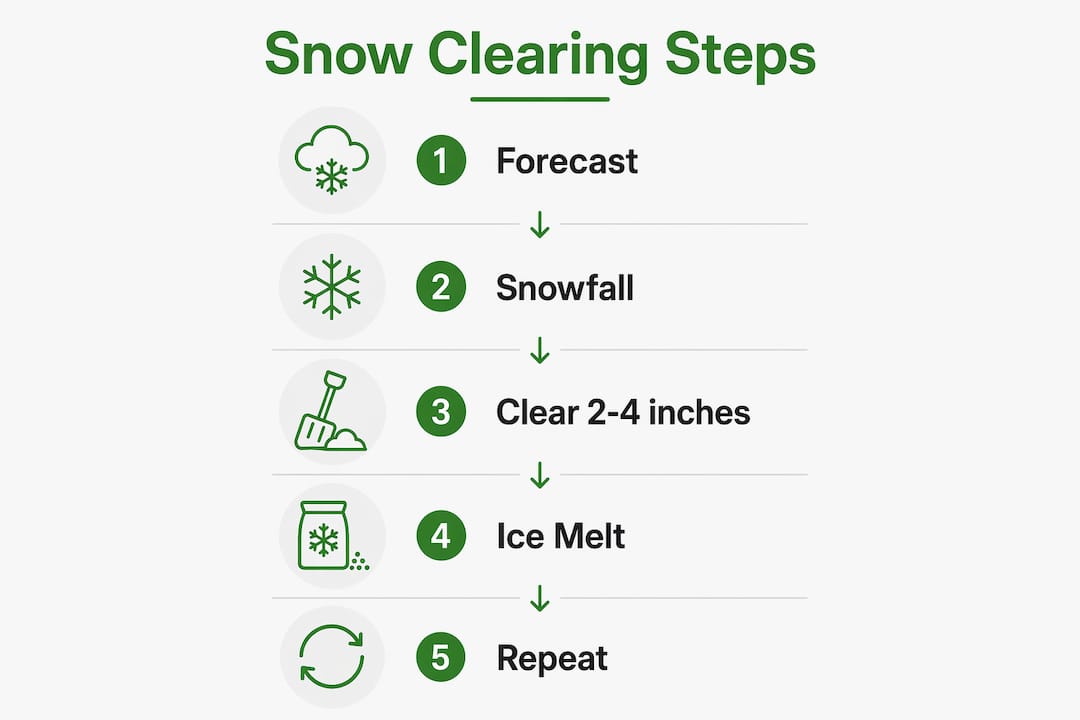
Timing is the single most important factor in effective snow removal. Clear your sidewalk after every 2–4 inches of accumulation rather than waiting for a storm to finish. Clearing early prevents snow from compacting under foot traffic and turning into a dense, icy layer that takes far more effort to remove.
Municipal bylaws in Canadian cities typically require sidewalks to be cleared within 24 hours after snowfall ends. In practice, that window is tight during multi-day Calgary storms. Waiting until the snow stops can leave you scrambling to clear a heavy, compacted surface in freezing temperatures.
Multiple light clearings beat one heavy session every time. Each pass takes less physical effort, reduces ice bonding, and keeps the path usable throughout the day. Property managers overseeing multiple sites should schedule continuous monitoring during active storms, not just a single post-storm sweep.
Refreeze is a separate problem. Temperatures in Calgary regularly drop overnight even after daytime melting. If you clear at noon and leave wet pavement, you may face a sheet of black ice by evening. Apply ice melt before temperatures drop again to interrupt that cycle.
- Clear as soon as accumulation reaches 2–4 inches.
- Do a second pass after the storm ends to catch any remaining snow.
- Apply ice melt before overnight temperatures drop below freezing.
- Check the path again the following morning before pedestrian traffic peaks.
Pro Tip: Set a phone alert tied to the Environment Canada weather forecast. When snowfall is predicted to end, you will know exactly when your 24-hour compliance window begins.
What tools are best for clearing sidewalks?
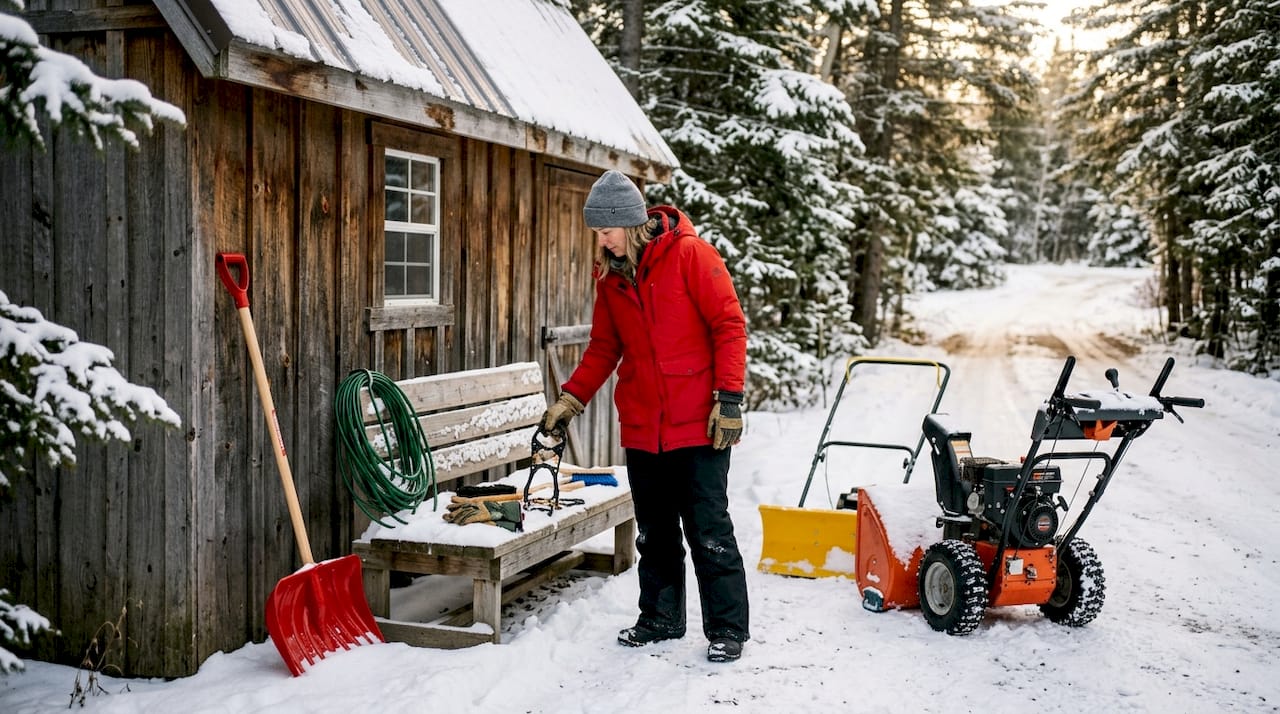
Selecting the right tool depends on your surface type, the snow density, and the layout of your property. Mismatched equipment wastes time and can damage concrete, interlock, or asphalt surfaces.
Shovels
A standard ergonomic shovel works best near steps, gates, and tight corners where machines cannot manoeuvre. Choose a shovel with a curved handle to reduce back strain. Plastic blades protect decorative stone and interlock; metal blades cut through compacted snow faster on plain concrete.
Snow blowers
A single-stage electric or gas snow blower handles medium-density snow on straight, unobstructed paths up to about six metres wide. A two-stage gas blower is the right choice for heavy, wet Calgary snow or paths longer than 15 metres. Never clear a jam with your hands. Turn the machine off completely before touching the auger or discharge chute.
Walk-behind plows
Walk-behind plows move large volumes of snow quickly and suit property managers clearing multiple driveways or long commercial walkways. They are less precise near obstacles and not worth the cost for a standard residential lot.
| Tool | Best use case | Surface risk |
|---|---|---|
| Ergonomic shovel | Tight spaces, steps, corners | Low |
| Single-stage snow blower | Straight paths, light to medium snow | Low to medium |
| Two-stage snow blower | Long paths, heavy wet snow | Low |
| Walk-behind plow | Wide areas, multiple properties | Medium near edges |
Pro Tip: Know your snow removal equipment options before the first storm hits. Buying or renting the wrong tool mid-season costs more than getting it right in october.
Calgary bylaws prohibit pushing snow onto streets or neighbouring properties. Plan your snow piling locations before you start. Keep piles away from fire hydrants, drainage grates, and basement window wells.
What is the most effective method to clear snow and prevent ice?
The most effective sidewalk snow clearing method combines pre-treatment, correct clearing order, and controlled ice melt application. Skipping any one of these steps forces you to work harder and creates more risk.
Pre-treat before the storm. Apply a thin layer of brine or granular ice melt to the sidewalk before snowfall begins. Pre-treatment reduces snow bonding significantly, making the final clearing faster and less physically demanding.
Clear from high to low. Start at the top of any steps or raised surfaces and work down to the sidewalk level. This prevents you from moving snow twice and avoids packing it onto already-cleared areas.
Push, do not lift. Push snow to the side in straight rows rather than scooping and throwing it. Lifting heavy snow is the leading cause of back injuries and cardiac strain during winter clearing.
Apply ice melt at the correct rate. The recommended application rate is about 1/4 cup per 25 square feet. More product does not mean more protection. Over-application damages concrete and kills grass and garden beds along the path edge.
Avoid salt on new concrete. Concrete poured within the last two years is especially vulnerable to salt damage. Use sand or a calcium chloride product rated for new surfaces instead.
The SICOPS research project tested over 5,000 scenarios across nearly 100 storm events and confirmed that combining mechanical removal with precisely applied chemical treatment prevents ice bonding more cost-effectively than either method alone. That finding applies directly to residential sidewalks: shovel first, then treat.
Pro Tip: Store your ice melt in a sealed, waterproof container near the door. Clumped or wet product does not spread evenly and wastes material.
What safety considerations matter during snow clearing?
Snow shoveling is a high-intensity physical activity. Cold air narrows blood vessels and heavy lifting strains the heart, which raises cardiac risk for anyone with existing cardiovascular risk factors. Treat a long shoveling session the way you would treat a workout: warm up first, pace yourself, and stop if you feel chest tightness or shortness of breath.
Warm up for five minutes indoors before going outside. Walk briskly, do arm circles, and stretch your lower back. A cold, stiff body is far more likely to suffer a muscle strain or a cardiac event during heavy snow clearing.
Safe clearing habits to follow on every job:
- Dress in layers. Wear moisture-wicking base layers, an insulating mid-layer, and a wind-resistant outer shell. Wet clothing in Calgary’s wind chill is a hypothermia risk.
- Wear grip footwear. Ice cleats or rubber-soled boots with deep tread reduce slip risk on icy patches. Smooth-soled boots are dangerous on compacted snow.
- Walk like a penguin on ice. Take short, flat-footed steps with your weight centred over your feet. The penguin walking technique is the most effective way to avoid slipping on icy patches.
- Take breaks every 15–20 minutes. Sustained exertion in cold air is more taxing than the same effort in warm weather.
- Keep vents clear. Snow blocking dryer vents or HVAC exhausts creates a carbon monoxide risk inside the home. Check these after every major snowfall.
Pro Tip: Keep a pair of ice cleats just inside your front door. Putting them on before you step outside takes ten seconds and prevents the most common winter injury.
For a broader look at safer winter strategies specific to Calgary conditions, Yearlong’s resource library covers both technique and compliance in detail.
What are common mistakes in sidewalk snow clearing?
Delaying clearing is the most costly mistake Calgary homeowners make. Snow left on a sidewalk for more than a few hours compacts under foot traffic and bonds to the surface. What started as a five-minute job becomes a 45-minute chipping exercise.
Common errors and how to fix them:
- Waiting for the storm to end. Clear in stages during long storms. Letting 30 centimetres accumulate before you start is physically dangerous and creates a bylaw compliance problem.
- Over-applying ice melt. More product does not work faster. Excess salt damages concrete, kills nearby plants, and washes into storm drains. Stick to the recommended rate.
- Piling snow in the wrong place. Municipal bylaws prohibit pushing snow onto streets or neighbouring properties. Pile snow on your own lawn, away from drainage grates and fire hydrants.
- Ignoring refreeze. Clearing at midday and walking away is not enough. Check the path again before evening and apply ice melt if temperatures are dropping.
- Skipping problem spots. Shaded areas, north-facing sections, and spots near downspouts refreeze faster than the rest of the path. Give these areas extra attention.
Proactive snow management means treating refreeze conditions immediately rather than waiting until morning. Property managers handling multiple sites should assign specific staff or contractors to monitor and respond to refreeze overnight. When storms are severe or ongoing, professional snow removal is the most reliable way to stay compliant without risking injury.
Key takeaways
Effective sidewalk snow clearing in Calgary requires the right timing, matched equipment, correct technique, and consistent attention to refreeze conditions throughout the winter season.
| Point | Details |
|---|---|
| Clear early and often | Remove snow after every 2–4 inches to prevent compaction and ice bonding. |
| Match tools to conditions | Use shovels near obstacles, snow blowers for straight paths, and plows for large areas. |
| Pre-treat before storms | Apply brine or ice melt before snowfall to reduce bonding and speed up clearing. |
| Treat shoveling as exercise | Warm up, take breaks, and stop if you feel chest pain or shortness of breath. |
| Avoid common piling mistakes | Never push snow onto streets or neighbours’ properties; keep fire hydrants and drains clear. |
What I have learned after years of Calgary winters
Why most homeowners get snow clearing wrong
The biggest mistake I see is treating snow clearing as a one-time event rather than an ongoing process. Homeowners wait for the storm to finish, then head outside with a shovel and a bag of salt, and wonder why it takes two hours and leaves their back wrecked. That approach works in cities that get 20 centimetres of snow a year. Calgary is not that city.
What actually works is building snow clearing into your property routine the same way you schedule lawn mowing in summer. You check the forecast the night before. You pre-treat if snow is coming. You go out mid-storm for a quick pass. You check for refreeze before bed. It sounds like more work, but each individual task is short and manageable. The alternative is one brutal session on a compacted, icy sidewalk at 7:00 AM before work.
The other thing I have seen consistently is homeowners underinvesting in equipment. A good ergonomic shovel and a bag of quality ice melt cost less than one physiotherapy visit. A two-stage snow blower pays for itself in the first season if you have a long driveway or manage multiple properties. Check out Yearlong’s property maintenance checklist to build a full winter prep plan before the season starts.
Calgary’s winters are long and unpredictable. The homeowners and property managers who handle them well are the ones who plan ahead, invest in the right tools, and treat clearing as a regular habit rather than an emergency response.
— Lewie
Yearlong’s snow removal services for Calgary properties
Calgary winters do not wait for convenient timing. When a storm hits on a weekday morning or an overnight freeze leaves your sidewalk glazed with ice, having a reliable plan in place matters.

Yearlong has served Calgary homeowners and property managers since 2017, handling professional snow removal for residential and small commercial properties across the city. The team understands Calgary’s specific weather patterns, bylaw requirements, and the difference between a light dusting and a wet, heavy dump that requires a different approach entirely. Whether you need a full-season contract or help during a particularly demanding stretch of winter, Yearlong offers flexible packages built around your property’s needs. Reach out to get a quote before the next storm arrives.
FAQ
How long do I have to clear my sidewalk after a snowfall?
Municipal bylaws typically require sidewalks to be cleared within 24 hours after a snow event ends. Check your specific Calgary bylaw, as enforcement timelines can range from 3 to 24 hours depending on the jurisdiction.
What is the best ice melt to use on residential sidewalks?
Calcium chloride works at lower temperatures than standard rock salt and is less damaging to concrete. Avoid rock salt on new concrete or near garden beds, and apply at the recommended rate of about 1/4 cup per 25 square feet.
Is it safe to use a snow blower on interlock or paving stones?
A snow blower can be used on interlock, but raise the scraper bar slightly to avoid catching on uneven joints. A plastic-blade shovel is safer for detailed work near edges and raised stones.
How do I stop ice from forming after I clear the snow?
Apply ice melt before temperatures drop overnight, particularly on shaded or north-facing sections of your path. Proactive treatment during refreeze conditions prevents bonding and keeps the surface safe without additional shoveling.
When should I hire a professional snow removal service?
Hire a professional when storms are frequent, your property has long or complex pathways, or physical limitations make shoveling a health risk. Property managers overseeing multiple sites benefit most from a contracted service that guarantees bylaw compliance throughout the season.