

TL;DR:
- Calgary winters require proactive protection techniques such as mulching, wrapping plants, and carefully managing snow loads. Proper timing and methods prevent winter damage, helping landscapes recover for spring. Yearlong offers local winter property care services tailored to Calgary’s climate with a satisfaction guarantee.
Calgary winters are not gentle. Freeze-thaw cycles, chinook winds, and heavy snow loads can quietly destroy a landscape that looks perfectly fine under a blanket of white. The most effective winter landscape care techniques for Calgary properties focus on protection first: insulating roots, managing snow load, and keeping hardscape intact so your yard bounces back strong in spring.
Here is what that looks like in practice:
- Mulch roots before the ground freezes with a moderate layer of depth
- Wrap young trees and frost-sensitive evergreens with burlap
- Clear snow in multiple lighter passes rather than one heavy effort
- Water deeply before consistent freezes arrive, then hold back
- Skip fertilizer entirely through the cold months
- Winterize irrigation systems and water features before the first hard frost
- Store and sharpen tools during the off-season
Each of these steps has a right timing and a right method. Get either wrong and you can cause more damage than the weather would have on its own.
Table of Contents
- Winter landscape care techniques: mulching and plant protection
- How to remove snow safely without damaging your property
- Why watering and fertilizing need a different approach in winter
- Off-season care for hardscape and garden tools
- Which plants actually survive Calgary winters?
- Soil preparation before the ground freezes
- How to spot and manage winter pests and diseases
- Key takeaways
- Yearlong makes Calgary winter property care straightforward
Winter landscape care techniques: mulching and plant protection
Applying a 2–4 inch layer of organic mulch in late fall is the single most reliable way to buffer Calgary’s soil temperature swings. Shredded bark, wood chips, or straw all work well. The critical detail most homeowners miss: keep mulch 3–6 inches back from tree trunks. Piling it against the bark traps moisture, invites rot, and gives rodents a cosy place to gnaw through winter.
For young trees, evergreens, and any shrub planted in the last two years, burlap wraps and wind barriers are worth the effort. Calgary’s exposed northwest winds pull moisture from needles faster than frozen roots can replace it, causing winter burn that looks like drought damage in March.
- Spread mulch outward in a wide ring, not upward in a tall mound
- Use burlap screens on the windward side of fragile shrubs
- Tie upright evergreens loosely to prevent branches from splitting under snow load
- Check trunk guards on young fruit trees; mice and voles are active all winter
Pro Tip: Extend your mulch ring as wide as the drip line of the tree, not just around the base. Roots spread far beyond the trunk, and that outer zone is where insulation matters most.
How to remove snow safely without damaging your property
Pushing snow rather than lifting it reduces back strain significantly, and on most Calgary driveways and walks, a wide pusher shovel handles the job faster anyway. When lifting is unavoidable, bend at the knees, keep the load close to your body, and never twist at the waist to throw snow behind you.
Clearing in multiple lighter passes during a storm beats waiting until it ends. Snow that sits compacts and bonds to pavement, turning a 20-minute job into an hour of chipping. For property managers overseeing multiple sites, this timing discipline is the difference between manageable and chaotic.
- Use plastic or ergonomic pusher shovels on wooden decks; metal blades cause permanent damage to deck surfaces
- Designate snow storage areas downwind and away from building foundations to prevent spring drainage problems
- Keep piles off garden beds entirely; the extended melt keeps soil cold and roots waterlogged
- Mark bed borders and irrigation heads with reflective stakes before the ground freezes
Pro Tip: Clear your driveway apron only after the municipal plow has passed your street. Clearing the apron first means shovelling the same compacted windrow twice, sometimes three times.
For more on safe snow clearing specific to Calgary conditions, Yearlong’s guides cover timing and technique in detail.
Why watering and fertilizing need a different approach in winter
Winter landscape care aims at protection, not growth. Fertilizing during cold months pushes plants to produce new tissue that cannot harden off before the next freeze, leaving it vulnerable to damage. Hold off on any nitrogen application once temperatures drop consistently below freezing.
Watering is more nuanced. Water trees and evergreens deeply before the ground freezes so moisture is stored in the soil through dry winter weeks. After that, water only when temperatures climb above 40°F and the soil is not solidly frozen, focusing on evergreens and newly planted shrubs.
- Water at midday so moisture soaks in before overnight refreezing
- Watering also dilutes road salt that washes into root zones near driveways
- Do not water frozen ground; it pools on the surface and creates ice
- Reduce irrigation frequency to every 7–14 days if conditions allow, and turn the system off when precipitation is regular
Off-season care for hardscape and garden tools
Winter is the right time for tool maintenance because neglecting it means broken or rusted equipment when spring arrives and you need everything working at once. Clean soil off shovels, spades, and hoes with a wire brush, sharpen blades, and wipe metal surfaces with an oily rag.
Hardscape needs attention too. Seal visible pavement cracks before freeze-thaw cycles widen them into something expensive. Drain irrigation systems fully and winterize water features like fountains and ponds to prevent freeze damage to pumps and pipes. Clear drainage paths around patios and walkways so meltwater has somewhere to go rather than pooling and refreezing overnight.
- Drain and store garden hoses; a connected hose in a Calgary January guarantees a cracked spigot
- Repair trellises, raised bed frames, and garden structures during the off-season when they are accessible
- Store outdoor furniture upside down or under cover to prevent moisture damage
- Wash and rinse sprayers thoroughly; store pesticides and fertilizers above 40°F to prevent container damage
Pro Tip: Wipe tool blades with vegetable oil before storing them for winter. It prevents rust without the fumes of petroleum-based products and costs almost nothing.
Which plants actually survive Calgary winters?
Calgary sits in USDA hardiness zone 3b to 4a, which means choosing plants rated for at least zone 3 is the baseline for reliable winter survival. Shrubs like Siberian dogwood (Cornus alba), native saskatoon (Amelanchier alnifolia), and shrubby cinquefoil (Potentilla fruticosa) handle Alberta winters without any special protection. For trees, trembling aspen, paper birch, and bur oak are proven performers.
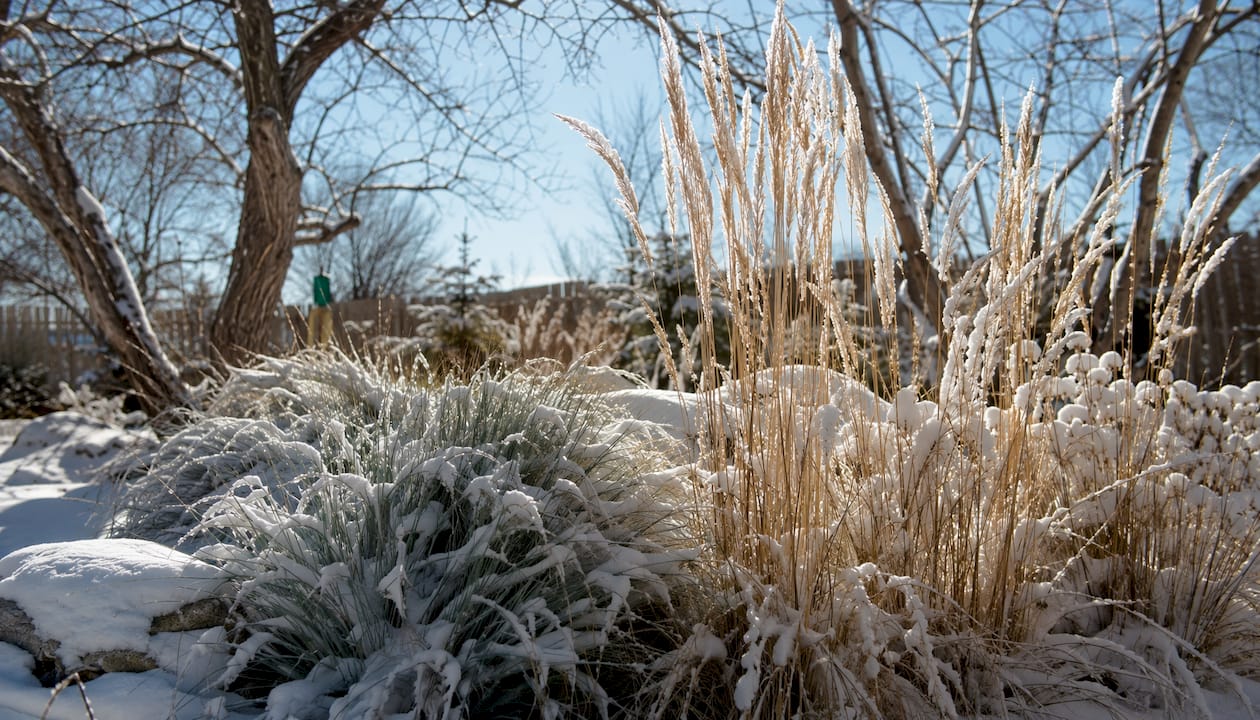
Ornamental grasses such as blue oat grass and Karl Foerster feather reed grass add winter structure and survive without wrapping. For perennials, coneflowers (Echinacea), black-eyed Susans, and prairie crocus are all reliably hardy. Avoid plants labelled zone 5 or warmer unless you are prepared to treat them as annuals or provide significant protection every year.
Soil preparation before the ground freezes
Soil preparation done in late October or early November pays dividends all winter. Add a couple of inches of compost to garden beds before the ground hardens; it feeds soil biology slowly through the cold months and improves structure for spring planting. A light layer of straw or mulch on top reduces erosion and prevents the surface crusting that blocks oxygen from reaching roots.
Avoid walking on garden beds once the soil is wet or frozen. Compacted winter soil loses oxygen, and that slow suffocation shows up as weak, patchy growth in May. Use designated paths and keep foot traffic off planted areas entirely. For lawn and bed care heading into winter, removing diseased leaves and rotting plant matter before freeze-up prevents fungal problems from overwintering in the soil.
How to spot and manage winter pests and diseases
Snow mould is the most common winter disease in Calgary lawns, appearing as grey or pink matted patches when snow melts in spring. Leaves left on turf through winter create exactly the moist, dark conditions snow mould needs. Rake thoroughly in fall and keep grass at a medium height going into winter.
Rodents are the other major threat. Mice and voles tunnel under snow and chew bark at the base of young trees and shrubs, sometimes girdling them completely before you notice in spring. Check trunk guards regularly and look for stripped bark or missing stems. Deer browse heavily on cedars and other evergreens when food is scarce; burlap barriers or repellent sprays applied before snow arrives offer reasonable protection.
Foot traffic on frozen turf compounds pest and disease pressure by damaging grass crowns, creating dead lanes that are slow to recover and prone to weed invasion.
Key takeaways
Effective winter landscape care in Calgary comes down to acting before the ground freezes, not after damage appears.
| Point | Details |
|---|---|
| Mulch depth and clearance | Apply a 2–4 inch layer of organic mulch, keeping it 3–6 inches back from tree trunks to prevent rot. |
| Snow removal timing | Clear in multiple passes during a storm; wait for the municipal plow before shovelling the driveway apron. |
| Watering before freeze | Water trees and evergreens deeply before consistent freezes; hold back once the ground is solidly frozen. |
| Soil and bed prep | Add compost to beds in late fall and avoid foot traffic on frozen or wet soil to protect root oxygen levels. |
| Yearlong’s role | Yearlong has provided Calgary-specific winter property care since 2017, covering snow removal, seasonal cleanup, and plant protection with a satisfaction guarantee. |
Yearlong makes Calgary winter property care straightforward
Calgary winters demand consistent attention, and that is exactly where Yearlong delivers. Since 2017, Yearlong has handled winter property care across Calgary with services built around the city’s specific climate: reliable snow removal, seasonal cleanups, bed maintenance, and the kind of proactive plant protection that prevents costly spring repairs.

Lewie and the Yearlong team bring genuine local knowledge to every property, whether you are managing a single home or overseeing multiple sites for an HOA. Flexible service packages and a satisfaction guarantee mean you are not locked into a one-size-fits-all contract. For homeowners who want their landscape protected without spending every weekend outside in January, Yearlong is the practical answer.
Get a quote for professional snow removal or year-round lawn care and have your property ready before the next storm hits.