

The fastest path to control is simple: pull or dig up every visible dandelion now, then commit to a season of cultural lawn care so fewer come back. Calgary’s weed bylaws require grasses and herbaceous plants on private property to stay under six inches, so height matters as much as species. If a complaint gets filed, the City can respond, and unresolved cases move toward a Remedial Order with corrective costs billed back to the owner.
Two things to do this week:
- Hand-pull or dig every dandelion you can see, ideally after rain or watering when the soil gives easily.
- Book aeration and overseeding for thin patches, and set a fertilization schedule so grass thickens before next spring’s seed drop.
Report unmowed lots or persistent bylaw concerns to 311 or 403-268-2489.
Key Takeaways
Reliable dandelion control in Calgary combines immediate hand removal with season-long cultural care, all while staying under the city’s 15 cm height limit.
| Point | Details |
|---|---|
| Know the bylaw | Calgary requires grasses and herbaceous plants to be kept under a certain height; violations can lead to a Remedial Order. |
| Pull with the root | Remove dandelions after rain or watering, when soil is soft enough to release the full taproot. |
| Mow and water correctly | Cut at 4 to 5 cm and water 2.5 to 3 cm every 7 to 10 days to build denser, weed-resistant turf. |
| Aerate and overseed | Relieve compacted clay soil in spring or fall, then overseed immediately to fill bare patches. |
| Consider a local pro | Yearlong offers Calgary-specific lawn care, aeration, overseeding, and weed treatment for infestations beyond DIY scope. |
Table of Contents
- How Calgary bylaws shape your dandelion control approach
- Cultural lawn practices that starve dandelions out
- How to remove dandelions by hand and when herbicide makes sense
- Deciding whether to call a Calgary lawn care pro
- Get your lawn to a point where dandelions can’t compete
- Frequently asked questions
- Sources
How Calgary bylaws shape your dandelion control approach
Here’s something that surprises a lot of homeowners: dandelions aren’t on Alberta’s list of legislated noxious weeds, so the City isn’t chasing them the way it would chase scentless chamomile or leafy spurge. What Calgary actually enforces is height. Under the bylaws related to weeds, any grass or herbaceous plant over 15 cm on private property is a violation, dandelions included once their stalks stretch past that mark.
On municipal land, the City uses site-specific thresholds rather than blanket spraying. According to the City’s own dandelions page, herbicide isn’t used for cosmetic reasons in parks, and treatments only happen where thresholds are exceeded. When herbicide is applied anywhere in the city, notification signs go up, and playgrounds get a 10-metre buffer unless the area is closed, a policy detailed on the City’s community pesticide spraying page.
A few practical takeaways:
- Dandelions alone won’t get you a bylaw notice. Height will.
- You can request information on nearby municipal treatments through 311.
- A Remedial Order follows a failed inspection, not a first complaint, so there’s time to fix the problem yourself.
Cultural lawn practices that starve dandelions out
Thick, healthy turf is genuinely the best long-term defence Calgary homeowners have. Dandelion seeds germinate best where soil is exposed or grass is thin, so denser turf simply gives them fewer places to land. This is also the approach the City itself leans on for its own parks, per its dandelions guidance.
Four habits make the biggest difference:
- Mow at 4 to 5 cm. Cutting shorter exposes soil and sunlight that dandelion seeds need to establish, while taller grass shades them out. This range comes straight from the City’s own weed prevention guidance.
- Water deeply, not often. Aim for roughly 2.5 to 3 cm of water every 7 to 10 days rather than a light daily sprinkle. Deep watering pushes grass roots down, building drought resilience that shallow-rooted dandelions can’t match.
- Fertilize on a schedule, not a whim. A spring feed followed by a fall application keeps grass competitive through Calgary’s short growing window. Our guide to lawn fertilization walks through timing for local conditions.
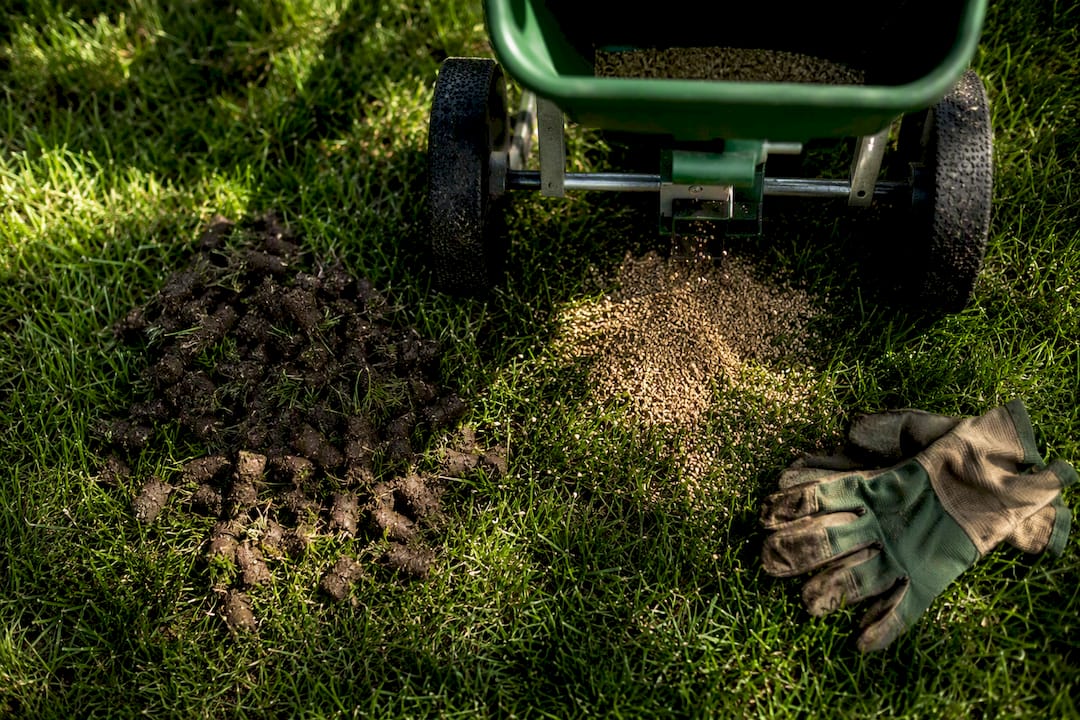
- Aerate and overseed in spring or fall. Compacted clay soil, common across Calgary, chokes root growth and opens the door for weeds. Aeration relieves that compaction, and overseeding right after fills bare spots before dandelions can claim them.
Pro Tip: Overseed immediately after aeration, not a week later. The holes stay open for a short window, and that’s when grass seed gets the best soil contact.
How to remove dandelions by hand and when herbicide makes sense
Hand-pulling still works, but timing and technique decide whether it actually sticks. The best window is right after rain or a good watering, when soil is soft enough to release the taproot instead of snapping it off, a detail the City’s own dandelion page flags as critical. Leave even a couple of centimetres of root behind and the plant regrows within weeks.
A step-by-step approach:
- Water the area the evening before if there’s been no rain.
- Use a dandelion digger or weed puller tool angled alongside the taproot, not straight down through the crown.
- Lever the whole root out in one motion rather than yanking the top growth.
- Fill the hole with a bit of topsoil and grass seed so nothing else colonizes the gap.
- Recheck the same spots two to three weeks later; regrowth from missed root fragments is common.
For persistent infestations, spot treatment with a selective broadleaf herbicide is the practical fallback. Local reporting on homeowner dandelion strategies groups options into three buckets: pulling, cultural maintenance, or spot spraying, and spring or early fall, when dandelions are actively growing, is when herbicide is most effective. Always read the label, follow the City’s guidance on preventing and controlling weeds, and use spot applications rather than broadcasting across the whole yard.
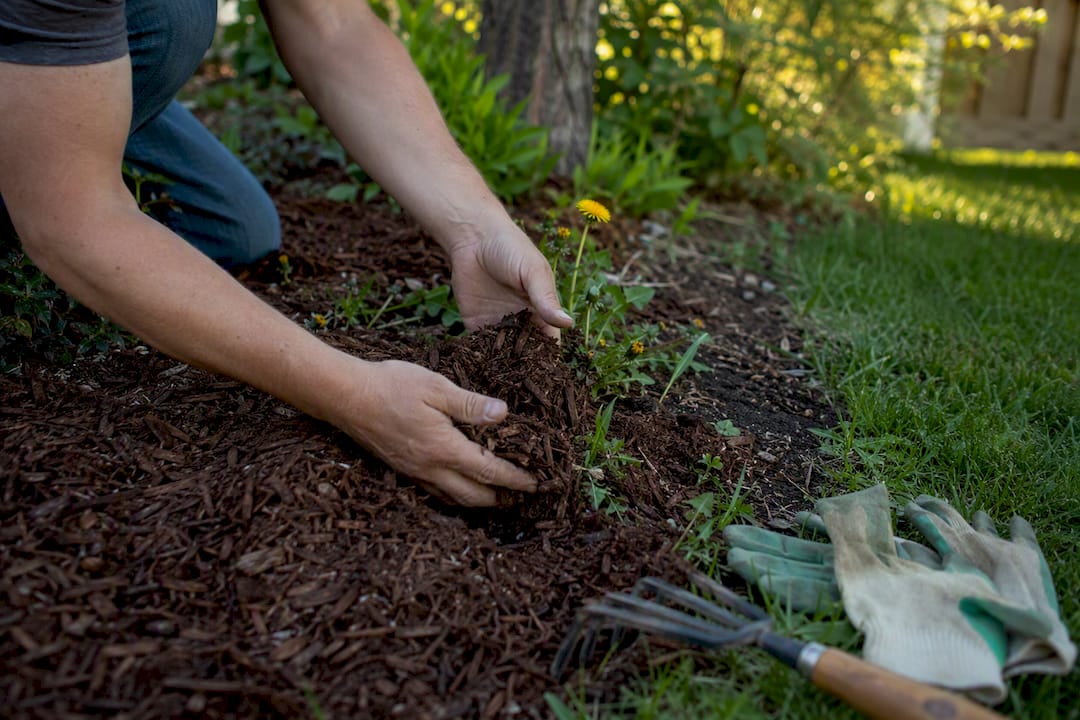
Boiling water and smothering with cardboard or mulch can work on isolated plants, but they’re slow and often need repeat applications. Neither is a real substitute for fixing the underlying turf density.
Deciding whether to call a Calgary lawn care pro
Not every dandelion problem needs a professional. But there’s a point where hand-pulling stops being realistic, and that’s usually when the infestation covers more lawn than you can reasonably dig in a weekend, when mobility or time makes repeated pulling impractical, or when a bylaw complaint has already put a deadline on the situation.
Professionals typically bring three things a DIY approach struggles to match: properly timed spot herbicide treatment, full turf renovation through aeration and overseeding, and a maintenance calendar that actually gets followed instead of postponed. If you’re vetting a contractor, ask about herbicide notification practices, whether they guarantee results, and how they handle callback visits if regrowth shows up. A contractor who can’t answer those clearly is a red flag.
Yearlong has worked on Calgary lawns since 2017, and that history matters here. Calgary’s clay soil, short season, and swinging spring temperatures behave differently than turf advice written for milder climates, and a Calgary lawn care plan built around that reality tends to outperform generic scheduling.
Get your lawn to a point where dandelions can’t compete
There are other paths here. You can pull weeds yourself every weekend, buy a spot herbicide and hope you time it right, or let it slide until a bylaw notice forces the issue. Yearlong is the option for Calgary homeowners who’d rather have the aeration, overseeding, fertilization, and mowing schedule handled on a fixed timeline instead of squeezed in between everything else.

That matters because dandelion control isn’t a one-time fix. It’s the compounding result of mowing height, watering habits, and soil condition done right across a full season, and that’s exactly what a seasonal clean up package is built to maintain. Whether you’re dealing with a single problem patch or a lawn that’s fallen behind for a couple of years, our crews know which Calgary neighbourhoods run heavier clay, which get more shade stress, and how that changes the plan.
If your lawn is thin, patchy, or already past the point where pulling weeds every week feels sustainable, request a quote through our lawn care page and get a plan scheduled before dandelion season peaks again.
Frequently asked questions
Is it illegal to have dandelions on my lawn in Calgary?
No. Dandelions aren’t on Alberta’s list of legislated noxious weeds, and Calgary’s bylaw targets height, not species. Once grass or weeds exceed 15 cm, though, you’re in violation regardless of what’s growing.
What’s the best time of year for dandelion control in Calgary?
Early spring and early fall are the two key windows. Dandelions are actively growing then, which makes hand-pulling and any herbicide use more effective, and it lines up with the ideal aeration and overseeding schedule.
Can I tell dandelions apart from similar weeds before treating my lawn?
Yes, and it matters for accurate treatment. Dandelions have a single flower per hollow stem and jagged, deeply toothed leaves growing from a basal rosette, while look-alikes like hawksbeard or sow thistle often branch or have hairier stems, so a broadleaf-selective herbicide meant for dandelions may not touch those species.
Does Calgary spray for dandelions in parks near my house?
Only where site-specific thresholds are met, and never for purely cosmetic reasons. When treatment does happen, the City posts notification signage and keeps a 10-metre buffer from playgrounds unless the area is closed.
Will pulling dandelions actually stop them from coming back?
It helps immediately, but only if you remove the taproot and follow up with cultural care. A single missed root fragment can regrow within weeks, which is why thicker, well-watered turf matters more for long-term results than repeated pulling alone.