

TL;DR:
- Proper winter preparation protects Calgary homes from costly damage and reduces energy bills.
- Starting in early fall allows homeowners to complete tasks, like sealing pipes and servicing HVAC, effectively.
Preventive winter preparation is the process of readying your home and property to withstand cold weather, reduce damage risk, and maintain safety throughout the season. Calgary winters are unforgiving. Temperatures can plunge well below freezing for weeks, and the gap between a prepared home and an unprepared one shows up fast in repair bills and emergency calls. Proper winterization can cut heating bills by 15–20% and prevent burst pipes, which rank among the most costly home insurance claims in winter. The importance of winter prep goes beyond comfort. It protects your property’s structure, your family’s safety, and your budget from preventable damage.
Why preventive winter preparation matters for Calgary homeowners
Calgary’s climate creates specific risks that make seasonal preparation non-negotiable. The city regularly experiences rapid temperature swings, heavy snowfall, and extended cold snaps that test every system in your home.
The core risks that winter readiness addresses include:
- Burst pipes and water damage. Burst pipes cause some of the most expensive home insurance claims every winter. When water freezes inside pipes, it expands and can split even copper lines, flooding walls, floors, and ceilings.
- Heating system failure. HVAC systems often fail after the first hard freeze, especially when neglected weather stripping forces the furnace to work harder than it should. A breakdown during a Calgary cold snap means repair wait times stretch for days.
- Ice dam formation. Ice dams build up when heat escapes through the roof, melts snow, and refreezes at the eaves. The resulting water backs up under shingles and causes structural damage and interior leaks. Gutter maintenance is one of the most effective defences against this.
- Carbon monoxide risk. Snow-blocked furnace vents create life-threatening carbon monoxide buildup indoors. This risk is easy to overlook because the blockage is invisible from inside the house.
- Power outages. Extreme cold combined with power grid strain makes utility failure a real possibility. Without a plan, a power outage in January becomes a genuine emergency.
Each of these risks is preventable. That is the entire point of acting before the cold arrives.
How does winter prep improve energy efficiency and reduce costs?
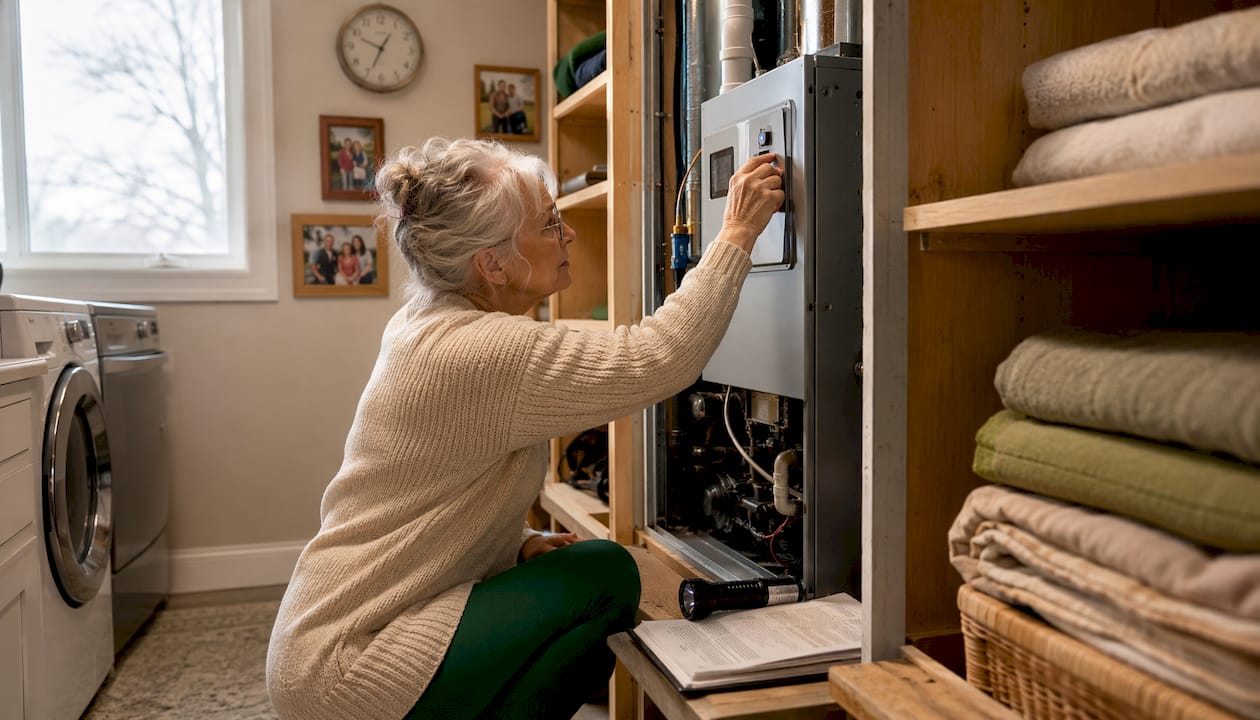
Preventive maintenance for winter pays for itself. The financial case is straightforward: a small investment in fall preparation avoids large, unplanned repair bills in january and february.
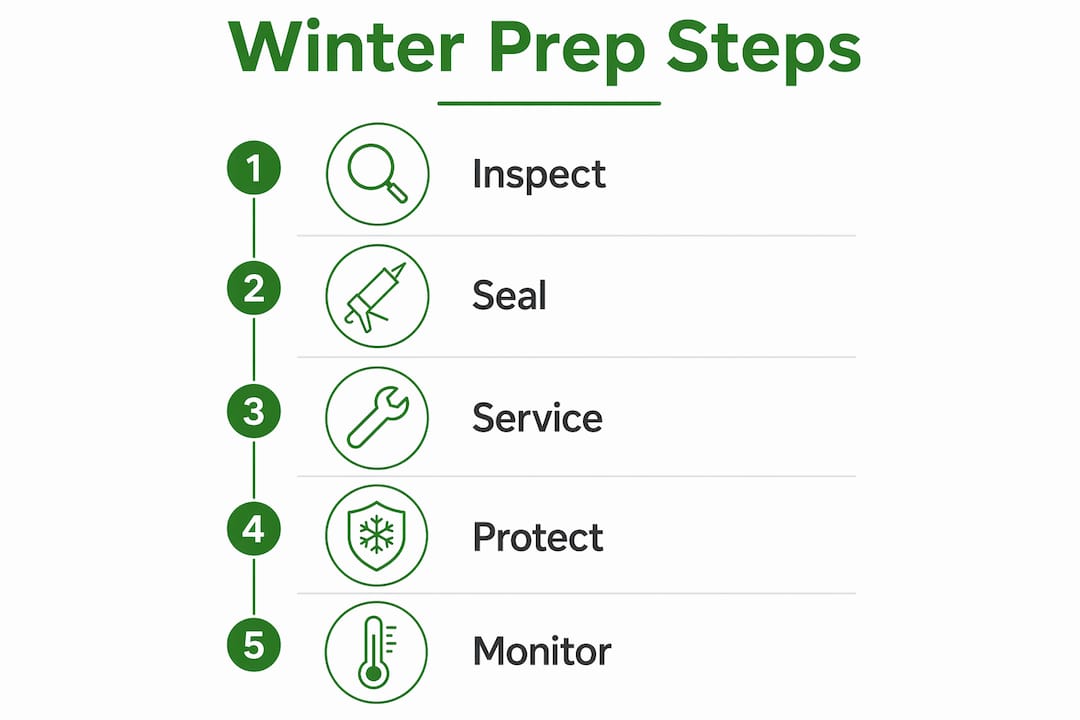
Sealing and insulation
Sealing drafts and improving attic insulation reduces heating bills by 15–20%. That saving compounds over a full Calgary winter, which can run five months or more. Weather stripping around doors and windows is the fastest fix, and caulking gaps around pipes and electrical outlets adds another layer of protection.
HVAC servicing
Scheduling a furnace tune-up before cold weather arrives prevents emergency breakdowns and extends the system’s lifespan. Technicians are also far easier to book in september or october than in the middle of a cold snap. Clean air ducts support this effort. Well-maintained air ducts improve energy efficiency and indoor air quality, reducing the load on your heating system through the coldest months.
Cost comparison
| Maintenance task | Typical preventive cost | Typical reactive repair cost |
|---|---|---|
| Furnace tune-up | Low to moderate | High (emergency call-out rates) |
| Pipe insulation | Low | Very high (water damage restoration) |
| Gutter cleaning | Low | Moderate to high (ice dam repairs) |
| Weather stripping | Very low | Moderate (heat loss over full winter) |
Preventive maintenance consistently costs a fraction of the reactive alternative. Home warranty policies also often require documented maintenance compliance. Skipping a furnace service can void coverage exactly when you need it most.
Pro Tip: Book your HVAC service in september, before technicians fill their schedules. You will get better availability and often better pricing than homeowners who wait until november.
What are the essential steps to prepare your property for winter?
A practical winter readiness checklist removes the guesswork. The Red Cross Four Ps framework organises winter preparation into four categories: People, Pipes, Plants, and Pets. It is a useful structure for Calgary homeowners managing multiple priorities at once.
- Shut off and drain exterior faucets. Turn off the interior shutoff valve for each hose bib, then open the exterior tap to drain any remaining water. Leaving water in exterior lines is one of the most common causes of burst pipes.
- Insulate exposed pipes. Pipes in unheated spaces like garages, crawl spaces, and exterior walls need foam pipe insulation. This is a low-cost task with a high payoff.
- Clean gutters and downspouts. Remove leaves and debris before the first freeze. Blocked gutters trap water that turns to ice and forces its way under roofing material. Proper gutter care is one of the most overlooked steps in seasonal preparation.
- Test carbon monoxide and smoke detectors. Replace batteries and test every unit in the home. CO detectors are especially critical in winter when furnaces run continuously.
- Service your HVAC system. Book a professional furnace inspection before cold weather arrives. A clean filter and a checked heat exchanger can prevent both breakdowns and CO leaks.
- Prepare emergency supplies. FEMA recommends a two-week supply of nonperishable food and at least one gallon of water per person per day. Store blankets, flashlights, and a battery-powered radio as well.
- Protect plants, pets, and vulnerable people. Bring tender plants indoors or cover them. Ensure pets have warm shelter. Check on elderly neighbours and family members before a cold snap hits.
Pro Tip: Walk your property in early october and photograph every exterior faucet, vent, and exposed pipe. That record helps you confirm nothing was missed and supports any future insurance or warranty claim.
How should Calgary homeowners maintain winter readiness throughout the season?
Preparation does not stop once the cold arrives. Ongoing checks through the winter prevent small problems from becoming expensive ones.
- Clear furnace vents after every significant snowfall. Carbon monoxide vents must be checked after snowfall because accumulation can block them within hours. This is a five-minute task that can prevent a life-threatening situation.
- Monitor Environment Canada weather alerts. Sign up for alerts specific to Calgary. Knowing a cold snap or ice storm is coming gives you time to act before conditions deteriorate.
- Check pipes during extended cold snaps. Open cabinet doors under sinks on exterior walls to let warm air circulate. If you leave town, keep the thermostat set no lower than 15°C.
- Manage snow and ice on driveways and walkways. Ice accumulation on walkways creates slip-and-fall hazards. Consistent snow and ice management keeps your property safe and accessible throughout the season.
- Review your emergency kit monthly. Check that food and water supplies are within date, batteries are charged, and your family’s communication plan is current.
The role of preventive maintenance is not just about one-time tasks in the fall. It is a continuous habit that keeps your property safe from october through april.
What are the common pitfalls in winter preparation?
Most winter damage is not caused by extreme weather alone. It is caused by preparation that was delayed, incomplete, or done incorrectly.
“The single most expensive mistake Calgary homeowners make is waiting until after the first hard freeze to start winterizing. By then, pipes may already be stressed, and HVAC technicians are fully booked. Starting in early fall gives you time, options, and leverage.”
Common mistakes to avoid:
- Delaying until after the first freeze. Once temperatures drop hard, the window for safe exterior work closes. Pipe insulation applied in a rush after a freeze is less effective than insulation applied in calm, dry conditions.
- Not knowing where the main water shutoff is. Every person in your household should know where the shutoff valve is and how to use it. In a burst pipe emergency, seconds matter.
- Skipping the exterior faucet shutoff. Many homeowners disconnect the hose but forget to shut off the interior valve and drain the line. That leftover water freezes and splits the pipe.
- Neglecting CO vent clearance. Snow piles up against foundations quickly in Calgary. A vent that was clear in october can be buried by december without anyone noticing.
- DIY repairs without the right knowledge. Incomplete pipe insulation or a missed furnace check can create a false sense of security. When in doubt, hire a professional for the critical systems.
Key takeaways
Preventive winter preparation protects Calgary homes from burst pipes, heating failures, and structural damage while cutting heating costs by 15–20%.
| Point | Details |
|---|---|
| Start in early fall | Book HVAC service and complete exterior tasks before the first hard freeze arrives. |
| Seal drafts and insulate pipes | These two steps reduce heating bills and prevent the most common winter damage claims. |
| Use the Four Ps framework | Organise preparation around People, Pipes, Plants, and Pets to cover every priority. |
| Monitor vents all winter | Clear furnace and CO vents after every snowfall to prevent dangerous blockages. |
| Keep emergency supplies stocked | Follow FEMA’s two-week food and one-gallon-per-day water guideline for power outage readiness. |
Why I think most homeowners underestimate winter prep
After years of working with Calgary properties, I have seen the same pattern repeat. Homeowners do the visible tasks, such as putting away the garden furniture and disconnecting the hose, and consider themselves prepared. The invisible tasks are what get them. A furnace vent buried under a snowdrift. An exterior shutoff valve that was never turned. A gutter full of leaves that turns into a 30-centimetre ice dam by february.
The financial argument for early preparation is clear. But the stronger argument is peace of mind. A home that has been properly winterized does not demand your attention at 2:00 AM on a Tuesday in january. You sleep through the cold snap instead of calling an emergency plumber.
I also think homeowners undervalue their maintenance records. Documenting every service, every inspection, and every repair creates a paper trail that supports home warranty claims and adds real value when you sell. Treat your property like a business asset, and the records become part of that asset’s worth.
Winterizing your outdoor spaces is the part most homeowners skip entirely. Beds, lawns, and hardscaping all need attention before the ground freezes. Skipping that step means more work in spring and sometimes permanent damage to plants and soil structure. A year-round maintenance approach is not extra effort. It is the most efficient way to own a property in this climate.
— Lewie
Yearlong’s winter services for Calgary homeowners
Calgary winters do not wait for you to catch up. Yearlong has been helping homeowners and property managers across the city stay ahead of the season since 2017.

Yearlong’s snow removal services keep driveways and walkways clear and safe throughout the season, so you are never dealing with ice accumulation after a long workday. The team also handles seasonal yard and bed maintenance to protect your outdoor spaces before the ground freezes. For a full picture of what your property needs before winter, Yearlong’s property maintenance checklist gives Calgary homeowners a clear, practical starting point. Reliable, local, and available when you need them.
FAQ
What is preventive winter preparation?
Preventive winter preparation is the process of completing maintenance tasks before cold weather arrives to protect a home from damage, reduce energy costs, and maintain safety throughout the winter season.
When should Calgary homeowners start winter prep?
Early fall, ideally september or october, is the right time to start. Booking HVAC service and completing exterior tasks before the first hard freeze gives you the best results and the most scheduling flexibility.
How much can winterization reduce heating bills?
Sealing drafts and improving insulation can reduce heating bills by 15–20%. That saving applies across the full Calgary winter, which typically runs from october through march.
What is the Red Cross Four Ps framework?
The Four Ps framework organises winter preparation into four categories: People, Pipes, Plants, and Pets. It helps homeowners cover every priority without missing critical steps.
How do I prevent carbon monoxide risk in winter?
Check furnace vents after every snowfall to confirm they are not blocked by snow or ice. Test CO detectors monthly and replace batteries at the start of the heating season.