

TL;DR:
- Regular property upkeep improves asset value and tenant satisfaction by preventing costly repairs and ensuring safety. Consistent maintenance reduces expenses, attracts quality tenants, and safeguards insurance coverage through proper documentation. Proactive planning and record-keeping are essential for maximizing property investment benefits.
Property upkeep is defined as the ongoing, proactive care of a building and its grounds to preserve structural integrity, safety, and market value. Knowing why invest in property upkeep matters comes down to one number: structured preventive maintenance delivers a 545% ROI over 25 years. That figure alone reframes upkeep from an expense into one of the most reliable investments a property owner can make. Whether you own a single family home in Calgary or a portfolio of rental units, the financial and practical case for consistent maintenance is clear. Yearlong has worked with homeowners and investors across Calgary since 2017, and the pattern is always the same: properties that receive regular care hold their value, attract better tenants, and avoid the punishing costs of deferred repairs.
What are the financial benefits of regular property maintenance?
Proactive upkeep costs $0.62 per square foot, compared to $1.27 per square foot for reactive repairs. That is more than double the cost when you wait for something to break. The difference compounds quickly across a property’s lifetime, which is exactly why the 545% ROI figure holds up over a 25-year horizon.

The national average maintenance cost for a single-family rental reached $8,808 annually in 2026, up 42% since 2020. A significant share of that spending targets preventable emergencies, meaning owners who skip scheduled upkeep end up paying far more to fix problems that a routine inspection would have caught early.
HVAC systems consume nearly 50% of the average home’s energy use. Regular servicing keeps those systems running efficiently, which directly lowers monthly utility costs. A filter change and annual tune-up cost a fraction of what a full system replacement demands.
Pro Tip: Budget 1–2% of your property’s value each year for maintenance. This annual maintenance budget funds lifecycle replacements before failures occur and prevents small issues from becoming capital expenses.
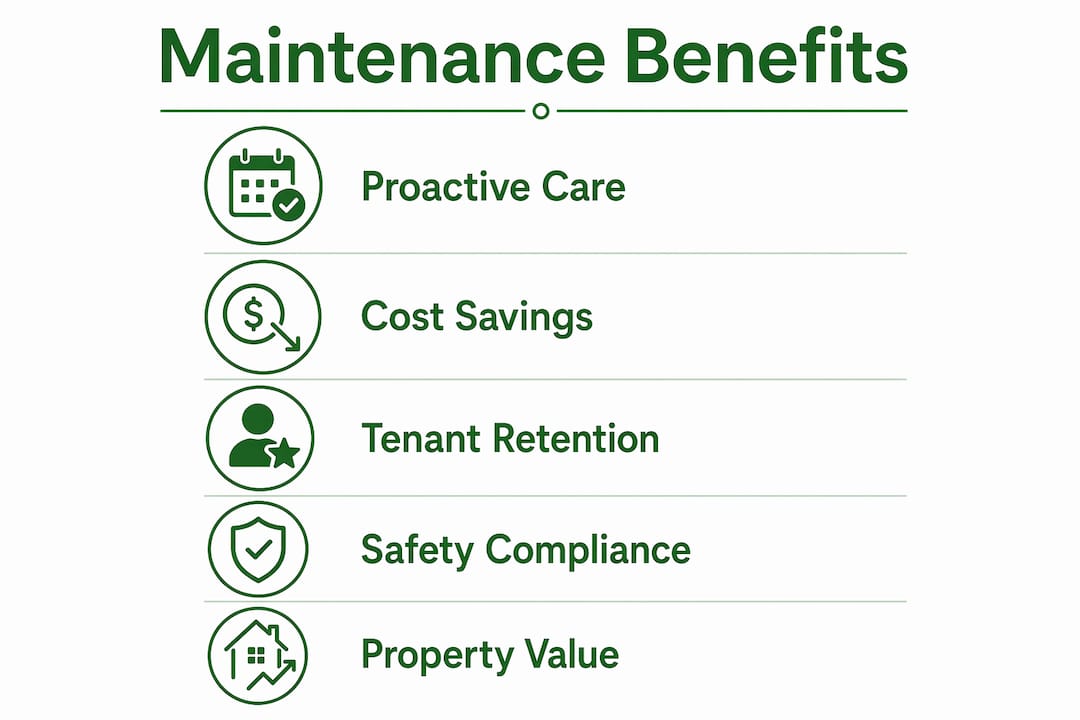
Maintenance is a fixed capital preservation cost, not a fluctuating discretionary expense. Owners who treat it as optional tend to face unpredictable repair bills that disrupt cash flow and erode returns. A preventive maintenance schedule turns that unpredictability into a manageable, foreseeable line item.
How does property upkeep improve tenant satisfaction and reduce vacancy?
Quick and reliable maintenance responses increase tenant satisfaction and lead directly to higher lease renewal rates. Tenants who feel their concerns are addressed promptly are far less likely to look elsewhere when their lease comes up. Lower turnover means fewer vacancy periods, less time spent finding new tenants, and more stable rental income.
Deferred maintenance visibly deteriorates a property, undermining professionalism and increasing vacancy risk. A cracked driveway, overgrown lawn, or peeling paint signals neglect before a prospective tenant even walks through the door. First impressions in rental markets are decisive.
Well-maintained properties attract better tenants and have fewer vacancies. Quality tenants tend to stay longer, pay on time, and treat the property with more care. The role of maintenance in property value extends well beyond the building itself and into the quality of the people who choose to live there.
The tenant-facing benefits of consistent upkeep include:
- Safety: Functioning smoke detectors, clear walkways, and sound structural elements protect tenants from harm.
- Comfort: Properly serviced heating, cooling, and plumbing systems make daily life reliable and stress-free.
- Trust: Tenants who see prompt responses to maintenance requests trust their landlord and feel valued.
- Curb appeal: Clean, well-kept grounds create pride of place and reduce complaints from neighbours.
- Reduced disruption: Preventive care means fewer emergency repairs that interrupt tenants’ routines.
Why is property upkeep critical for safety and legal compliance?
Neglected properties create real physical hazards. Faulty electrical systems, deteriorating roofing, cracked walkways, and uncleared ice and snow all carry direct injury risk. Roofing and exterior maintenance is one of the most commonly overlooked areas, yet a failing roof can lead to water intrusion, mould growth, and structural damage within a single season.
Many insurance policies require regular maintenance, and neglect can lead to denied coverage or rejected warranty claims. Missed annual servicing is one of the most commonly cited reasons insurers deny claims. An owner who skips a scheduled furnace inspection and then files a claim for fire damage may find the insurer refuses to pay.
Insurance and warranty claims may be denied when regular maintenance cycles are not documented and followed. This means the legal and financial risk of skipping upkeep goes well beyond the cost of the repair itself. A single denied claim can cost tens of thousands of dollars.
Pro Tip: Keep a dated maintenance log for every service visit, inspection, and repair. This documentation protects you during insurance claims, supports higher appraisal values, and gives buyers confidence during a sale.
Maintenance records strengthen property sale negotiations by demonstrating stewardship and reducing buyer concessions. A buyer who sees a clean, complete maintenance history has less reason to negotiate the price down. That documentation can be worth thousands of dollars at the closing table.
What are the best practices for consistent property upkeep?
The shift from reactive to proactive maintenance is the single most impactful change a property owner can make. Proactive maintenance extends property life and enhances appeal to quality tenants and buyers. The practical steps to get there are straightforward.
Start with a written preventive maintenance schedule. Assign tasks by season: spring inspections for roofing and drainage, summer focus on lawn care and exterior surfaces, autumn preparation of heating systems and gutters, and winter management of snow, ice, and walkway safety. A homeowner maintenance checklist keeps these tasks organised and ensures nothing falls through the cracks.
Document every service, inspection, and repair with dates and receipts. This record serves three purposes: it keeps you on schedule, supports insurance claims, and adds credibility during a property sale. Digital records stored in a cloud folder are easy to share with appraisers, insurers, and buyers.
Build a reserve fund specifically for maintenance. The 1–2% of property value rule provides a reliable starting point. Owners who treat this fund as untouchable except for property care avoid the cash flow shock of unexpected major repairs.
| Approach | Cost per sq ft | Risk level | Budget predictability |
|---|---|---|---|
| Reactive (fix when broken) | $1.27 | High | Low |
| Proactive (scheduled upkeep) | $0.62 | Low | High |
Shifting to scheduled maintenance produces predictable budgeting and better asset performance. The table above shows the cost difference clearly. Proactive owners spend less per square foot and face far fewer surprises.
Pro Tip: Review your routine maintenance approach every spring. Adjust your schedule based on what wore out or failed the previous year, and update your reserve fund accordingly.
Key takeaways
Regular property upkeep is the most cost-effective strategy for preserving asset value, protecting tenants, and avoiding the compounding costs of deferred repairs.
| Point | Details |
|---|---|
| Preventive maintenance ROI | Structured upkeep delivers a 545% ROI over 25 years at $0.62 per sq ft versus $1.27 for reactive repairs. |
| Annual budget rule | Set aside 1–2% of property value each year to fund lifecycle replacements before failures occur. |
| Tenant retention | Quick maintenance responses increase lease renewals and reduce costly vacancy periods. |
| Insurance protection | Documented maintenance cycles protect against denied insurance claims and warranty rejections. |
| Documentation value | Detailed maintenance records reduce buyer concessions and support higher appraisal values at sale. |
What I’ve learned after years of watching owners get this wrong
Most property owners understand maintenance matters. Where they go wrong is treating it as something to catch up on rather than something to stay ahead of. I’ve seen this pattern repeat itself constantly: an owner defers a gutter cleaning, then a minor roof repair, then a driveway crack. Two years later, they’re facing a $15,000 water damage claim their insurer won’t cover because there’s no maintenance record.
The misconception I hear most often is that upkeep is only necessary when something looks broken. That thinking is expensive. The whole point of preventive maintenance is that most failures give no visible warning until they are already serious. A furnace that hasn’t been serviced in three years looks fine right up until it doesn’t.
What I find genuinely underappreciated is the compounding effect of curb appeal. A well-kept exterior doesn’t just look better. It signals to every prospective tenant or buyer that the invisible systems inside the property are also cared for. That perception commands higher rents and stronger sale prices, and it costs far less to maintain than most owners assume.
The owners who do this well share one habit: they treat their maintenance schedule like a financial obligation, not a suggestion. They book services in advance, keep records, and fund their reserve account before anything else. That discipline is what separates properties that grow in value from those that quietly erode.
— Lewie
How Yearlong helps Calgary property owners stay ahead
Yearlong has delivered year-round outdoor property care across Calgary since 2017, covering everything from professional lawn care and bed maintenance to seasonal cleanup and snow removal. The team understands Calgary’s climate demands and builds service schedules around them, so your property looks and performs its best in every season.
Consistent outdoor upkeep is one of the fastest ways to protect your investment and maintain curb appeal without adding the work to your own schedule. Yearlong’s flexible service packages are designed for homeowners and property investors who want reliable, professional results without the guesswork of managing it themselves. Reach out to Yearlong to find the right maintenance plan for your property.
FAQ
What does property upkeep actually include?
Property upkeep covers all scheduled and preventive maintenance tasks that preserve a building’s condition, including inspections, lawn care, HVAC servicing, exterior cleaning, and seasonal preparation. It encompasses both interior systems and outdoor areas.
How much should I budget for property maintenance each year?
Budget 1–2% of your property’s value annually for maintenance. This figure supports routine upkeep and funds lifecycle replacements before systems fail, keeping costs predictable.
Does regular maintenance really affect property value?
Regular maintenance directly supports higher appraisal values and reduces buyer concessions during a sale. Documented maintenance history signals stewardship and gives buyers confidence in the property’s condition.
Can skipping maintenance void my insurance?
Many insurance policies require documented regular maintenance, and missed servicing is a common reason insurers deny claims. Keeping dated maintenance records protects your coverage and your investment.
How does upkeep reduce tenant turnover?
Quick, reliable responses to maintenance requests increase tenant satisfaction and lead to higher lease renewal rates. Tenants who trust their landlord to maintain the property are far less likely to leave at the end of a lease term.