

TL;DR:
- Healthy soil and diverse planting are key to reducing lawn chemicals without product swaps.
- Implement system changes like ecological management, proper mowing, and physical barriers to control pests and weeds naturally.
Reducing lawn chemicals starts with one principle: healthy soil and diverse planting make synthetic inputs largely unnecessary. The most effective ways to reduce lawn chemicals are not product swaps but system changes, shifting from reactive spraying to proactive ecological management. Calgary homeowners who adopt natural lawn care tips grounded in soil health, strategic mowing, and beneficial insect habitats consistently see fewer pest and weed problems season over season. The goal is not a perfect, sterile lawn. It is a resilient one.
Ways to reduce lawn chemicals through soil health and diversity
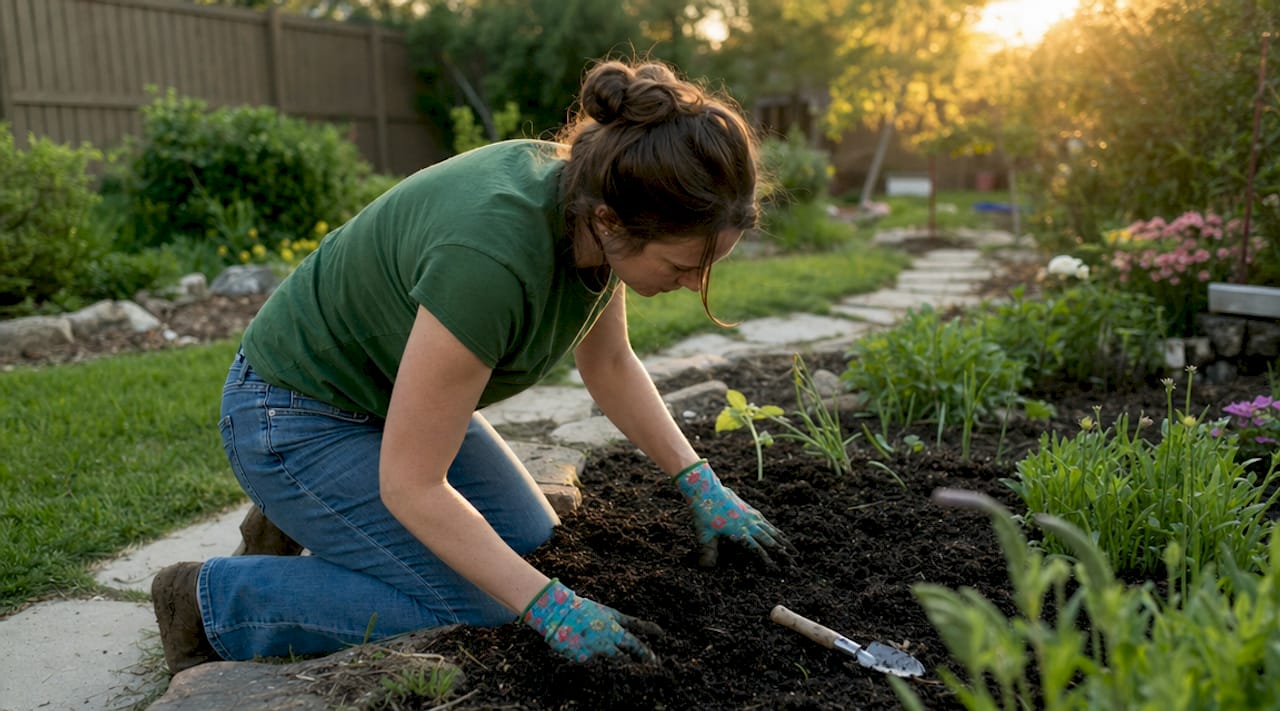
The single most powerful thing you can do for a low-chemical lawn is feed the soil, not the grass. Compost topdressing applied at 3 to 6 millimetres each spring introduces microbial life that outcompetes pathogens, improves drainage, and builds the slow-release fertility that synthetic fertilisers mimic poorly. Healthy microbial communities suppress fungal disease and support root depth, which directly reduces the need for fungicide and fertiliser applications.
Polyculture planting is the next layer. Nitrogen-fixing polycultures reduce pest populations by 26 to 48%, and that reduction compounds over time as soil biology stabilises. A monoculture lawn is a buffet for specialist pests. A lawn mixed with microclover, fine fescue, and native groundcovers is not.
Insectary borders are one of the most underused tools in residential lawn care. Planting sweet alyssum, yarrow, or native asters along bed edges attracts ladybugs, parasitic wasps, and lacewings. Insectary borders reduce aphid populations by 60 to 75% without a single spray, because ladybugs alone consume more than 5,000 aphids over their lifetime. That is free pest control that improves every season.
Pro Tip: Do not spray insectary borders during the first two seasons of establishment. Killing the beneficial insects you are trying to attract sets the whole system back by a full year.
Beneficial insect populations stabilise within two to three seasons once habitat is in place. The patience required is real, but switching to organic care saves 50 to 70% in lawn maintenance costs by year three. That is a meaningful return for Calgary homeowners managing properties through short growing seasons.
What mowing and maintenance practices limit chemical treatments?
Mowing height is the most overlooked weed control tool available to every homeowner. Raising mowing height to 3 to 4 inches shades the soil surface, preventing weed seeds from germinating and reducing soil moisture loss. Taller turf also develops deeper root systems that tolerate drought and resist disease without fungicide support.
Here are the core maintenance practices that reduce herbicide and pesticide reliance:
- Set your mower blade to 3 to 4 inches and leave it there for the entire growing season. Scalping the lawn in spring is one of the fastest ways to invite crabgrass and dandelions.
- Scarify and aerate in late spring or early autumn to break up thatch, improve oxygen penetration, and reduce the compaction that promotes moss and disease.
- Overseed thin patches immediately after aeration using species suited to Calgary’s climate, such as creeping red fescue or microclover. Dense turf coverage is the most effective herbicide alternative available.
- Spot treat weeds rather than blanket spraying. Walk the lawn, identify problem areas, and treat only those zones. Calendar-based spraying is the primary driver of chemical over-application in residential settings.
- Leave grass clippings on the lawn after mowing. Clippings return nitrogen to the soil, reducing the need for supplemental fertiliser by an estimated 25%.
Pro Tip: Microclover mixed into your lawn seed at 5% by weight fixes atmospheric nitrogen, feeds surrounding grass naturally, and stays green through dry spells when conventional turf browns out. It also attracts pollinators, which supports the broader garden ecosystem.
Replacing synthetic nitrogen fertilisers with compost and low-nitrogen inputs matters beyond soil health. Synthetic nitrogen suppresses clover and promotes the aggressive weed growth that triggers more herbicide use. Reducing synthetic nitrogen is not just an eco-friendly choice. It breaks the cycle that makes chemical dependency feel necessary in the first place. For a detailed mowing reference, Yearlong’s mowing height guide covers blade settings specific to Calgary grass types.
How physical barriers and integrated pest management reduce chemical use
Integrated Pest Management, commonly called IPM, is the framework used by university extension programmes and professional horticulturalists to reduce chemical use without sacrificing pest control outcomes. The University of Maryland Extension confirms that healthy turf with proper practices supports beneficial insects and pollinators while reducing the need for chemical inputs. IPM does not mean doing nothing. It means acting at the right threshold with the least toxic tool available.
The comparison below shows how physical controls stack up against chemical alternatives:
| Method | Pest exclusion rate | Cost over 3 seasons | Impact on beneficials |
|---|---|---|---|
| Floating row covers | 95 to 99% | Decreasing as perennials establish | None |
| Chemical insecticides | 80 to 95% | Recurring annual cost | High negative impact |
| Hand-picking | 70 to 90% on large pests | Labour only | None |
| Insectary borders | 60 to 75% on aphids | Low after establishment | Strongly positive |
Floating row covers provide 95 to 99% pest exclusion matching chemical pesticide performance with zero toxicity risk. Initial costs run between $75 and $175, dropping to $35 to $75 per season once perennial plantings are established. For vegetable beds and ornamental borders, row covers are one of the most cost-effective physical controls available.
Hand-picking large pests reduces damage by 70 to 90% in home gardens, according to Oregon State Extension research. The key is regular scouting. Walk your lawn and beds twice a week during peak growing season, remove caterpillars, slugs, and beetle larvae by hand, and drop them into soapy water. This is not glamorous, but it is genuinely effective and costs nothing.
The IPM decision framework follows a clear escalation path. Start with prevention through soil health and habitat diversity. Move to physical controls like row covers and hand-picking. Apply organic sprays only when pest populations exceed a threshold that causes real damage. The Royal Horticultural Society notes that transitioning from prophylactic spraying to action-threshold management is the single most critical shift in reducing lawn chemical use.
Organic products that support safe, chemical-reduced lawn care
When cultural and physical controls are not enough, OMRI-listed organic sprays provide targeted intervention without the ecological cost of synthetic pesticides. These products are last-resort tools within an IPM framework, not replacements for the soil and habitat work described above.
- Bacillus thuringiensis (Bt): A naturally occurring soil bacterium that achieves 85 to 95% mortality on young caterpillars. It is specific to lepidopteran larvae and has no measurable impact on beneficial insects, birds, or mammals. Apply at dusk when caterpillars are feeding actively.
- Neem oil: Pressed from the seeds of the neem tree, this oil controls aphids, whiteflies, and soft-bodied insects by disrupting their feeding and reproductive cycles. Apply in the evening to avoid harming bees and to prevent leaf scorch in direct sun.
- Kaolin clay: A fine mineral powder that coats plant surfaces and physically deters insects from feeding or laying eggs. It washes off with rain and requires reapplication, but it leaves no chemical residue and does not harm soil biology.
- Diatomaceous earth: Made from fossilised algae, this powder damages the exoskeletons of crawling insects like slugs and earwigs on contact. Apply dry, around the base of plants, and reapply after rain.
Pro Tip: Many DIY garden remedies circulating online, including dish soap concentrates and vinegar sprays, lack independent testing and can harm plants or the wider environment. Stick to OMRI-listed products with documented efficacy and known safety profiles.
The ecological cost of synthetic alternatives is not abstract. Seven million birds die yearly in the United States due to lawn pesticide exposure. Beneficial predators like ladybugs and parasitic wasps are destroyed alongside target pests, removing the natural pest control that makes chemical reduction possible in the first place.
How eco-friendly lawn alternatives compare in reducing chemical dependency
Choosing the right grass species is one of the most effective sustainable landscaping solutions available to Calgary homeowners. The species comparison below shows how eco-friendly alternatives perform against conventional Kentucky bluegrass lawns:
| Species | Mowing frequency | Water needs | Chemical inputs | Pollinator value |
|---|---|---|---|---|
| Kentucky bluegrass | Weekly | High | High (fertiliser, herbicide) | Low |
| Creeping red fescue | Every 2 to 3 weeks | Low to moderate | Low | Low to moderate |
| Microclover blend | Every 3 to 4 weeks | Low | Very low | High |
| Native grass mix | Minimal | Very low | Near zero | High |
Fine fescues and microclover blends require significantly less fertiliser, tolerate shade and drought better than bluegrass, and naturally suppress weeds when established at adequate density. They also reduce mowing frequency, which lowers fuel use and physical wear on equipment. For homeowners considering a full transition, Yearlong’s guide to eco-friendly lawn care in Calgary covers species selection and seasonal timing specific to the local climate.
The long-term cost and environmental case for eco-lawn alternatives is strong. Lower water demand, reduced fertiliser inputs, and minimal herbicide use compound into meaningful savings over a three to five year horizon. The transition period requires patience and some tolerance for a lawn that looks different from a conventional turf. The result is a yard that supports local ecology rather than working against it.
Key takeaways
Reducing lawn chemicals works best as a system: healthy soil, diverse planting, strategic mowing, physical controls, and organic sprays as a last resort each reinforce the others.
| Point | Details |
|---|---|
| Soil health is the foundation | Compost topdressing and polyculture planting reduce pest pressure by 26 to 48% without chemical inputs. |
| Mowing height controls weeds | Keeping grass at 3 to 4 inches shades out weed seeds and reduces herbicide need significantly. |
| Physical barriers match chemical performance | Floating row covers achieve 95 to 99% pest exclusion with zero toxicity and declining seasonal costs. |
| IPM replaces calendar spraying | Acting at pest thresholds rather than on a schedule reduces pesticide costs by 30 to 50%. |
| Eco-lawn species reduce all inputs | Fine fescue and microclover blends require less water, fertiliser, and mowing than conventional bluegrass. |
What I have learned from helping Calgary homeowners go chemical-free
The most common mistake I see is expecting results in the first season. Soil microbiotic recovery takes a full growing season at minimum, and the beneficial insect populations that do the heavy pest control work need two to three years to stabilise. Homeowners who quit after one summer of imperfect results miss the payoff entirely.
The second mistake is reaching for a home remedy when something looks wrong. Vinegar, dish soap, and essential oil concoctions get shared endlessly online, but most lack any rigorous testing. I have seen homeowners burn entire lawn sections with undiluted vinegar trying to kill dandelions. The dandelions came back. The grass did not.
What actually works is the integrated approach: start with compost and mowing height adjustments in year one, add insectary border plants in year two, and introduce row covers or Bt only when scouting shows a real problem. Each layer builds on the last. By year three, most homeowners find they are spending less time and money on their lawn than they ever did with a chemical programme. The lawn also looks better, because it is genuinely healthy rather than chemically maintained. Yearlong’s weed prevention guide for Calgary is a useful companion resource for the first transition season.
— Lewie
Professional lawn care in Calgary that supports a chemical-free approach
If you want expert support making the transition to lower-chemical lawn care, Yearlong works with Calgary homeowners to implement the kind of seasonal maintenance that makes chemical reduction practical rather than aspirational.

Yearlong’s lawn care services in Calgary include aeration, overseeding with climate-appropriate species, and targeted bed maintenance that reduces weed pressure without blanket herbicide applications. The team also handles seasonal bed maintenance that supports the insectary planting and soil enrichment strategies covered in this guide. If you are ready to reduce your lawn’s chemical footprint with professional oversight, contact Yearlong for a personalised seasonal care plan.
FAQ
What is the fastest way to reduce lawn chemicals?
Raising your mowing height to 3 to 4 inches and switching to spot treatment instead of blanket spraying delivers results within a single season. These two changes alone address the most common drivers of chemical over-application in residential lawns.
How long does it take to transition to a chemical-free lawn?
Most lawns require one to three seasons to fully transition, as soil microbial communities need time to recover and beneficial insect populations need two to three seasons to stabilise. Patience during this period is the most important factor in long-term success.
Are organic sprays like neem oil safe around children and pets?
OMRI-listed products like neem oil and Bt are significantly safer than synthetic pesticides when applied correctly, but all sprays should be allowed to dry fully before children or pets re-enter treated areas. Evening application reduces exposure risk further.
Can I reduce lawn chemicals without replacing my existing grass?
Yes. Soil improvement, mowing height adjustment, aeration, and IPM-based pest management all reduce chemical inputs without changing grass species. Overseeding with microclover into an existing lawn is also an option that improves the lawn gradually without a full replacement.
Do eco-friendly lawn methods work in Calgary’s climate?
Creeping red fescue, microclover blends, and native grass mixes are well-suited to Calgary’s short growing season and periodic drought conditions. These species require less water and fertiliser than Kentucky bluegrass and perform reliably through the temperature swings typical of Alberta summers.