

TL;DR:
- Managing outdoor debris in Calgary is essential to prevent property damage, pest attraction, and legal liabilities due to city bylaws. Homeowners should use proper tools, follow seasonal routines, and understand municipal disposal options to maintain compliance and curb appeal effectively. Hiring professional services can simplify this process, ensuring timely cleanup and adherence to regulations throughout the year.
Branches across your driveway, rotting leaves piled against your foundation, and garden waste spilling onto the sidewalk: these are not just eyesores. They are liabilities. Calgary’s weather is notoriously unpredictable, and every season brings a fresh wave of outdoor debris that can damage your property, attract pests, and put you offside with city bylaws. The good news is that managing debris does not have to be overwhelming. With the right tools, the right schedule, and an understanding of what the City of Calgary actually expects from you, keeping your property clean and compliant is entirely manageable.
Table of Contents
- Why managing property debris matters in Calgary
- What you need before starting: Tools, services, and city guidelines
- Step-by-step property debris management all year
- Troubleshooting and avoiding common debris management mistakes
- Managing debris in Calgary: The truth most guides ignore
- Level up your Calgary property with expert debris and yard care
- Frequently asked questions
Key Takeaways
| Point | Details |
|---|---|
| City rules are strict | Burning debris is banned and fines for illegal disposal can be very high. |
| Plan for all seasons | Different times of year require specific debris strategies and make use of city services. |
| Use compost giveaways | Calgary’s annual events can help you recycle and save on disposal costs. |
| Prevention saves work | Routine checks and quick clean-ups make debris management easier and safer. |
Why managing property debris matters in Calgary
Calgary is not a forgiving city when it comes to property upkeep. Between the chinook winds, late spring snowfalls, and the massive leaf drop every autumn, debris accumulates faster than most homeowners expect. And neglecting it has real consequences.
The risks are not just cosmetic. Piled debris near your home creates ideal nesting conditions for rodents and insects. Wet leaves sitting against a fence or foundation can accelerate wood rot and create slip hazards on walkways. Overgrown branches and vines can interfere with utility lines and neighbouring properties. And there is the fire risk too: dry debris in warm, windy conditions is a genuine hazard, even if Calgary prohibits open burning outright.
On the legal side, the city takes property standards seriously. Illegal dumping is fined up to $10,000, and overgrown yards are assessed for safety hazards including encroaching vines and trees. A single complaint from a neighbour can trigger a bylaw inspection.
The most common sources of property debris in Calgary include:
- Autumn leaf drop, which can bury lawns and clog drainage
- Spring thaw debris, including sticks, dead plant material, and gravel scattered by snow ploughs
- Summer storm damage, which can down branches and scatter mulch
- Routine yard maintenance, such as trimming, edging, and garden bed turnover
Understanding spring yard cleanup’s importance is part of staying ahead of the problem, as is planning for fall cleanup preparation well before the first frost.
“An ounce of prevention is worth a pound of cure” rings especially true on Calgary properties where one missed season of debris removal can set you back an entire year’s worth of lawn health.
The financial and aesthetic stakes are high. Properties that consistently manage debris maintain higher curb appeal, better lawn health, and stronger resale value than those that treat cleanup as an afterthought.
What you need before starting: Tools, services, and city guidelines
Before you pick up a rake, it helps to know what you are working with. Having the right equipment and understanding the city’s disposal rules will save you time, money, and frustration.
Essential tools for Calgary homeowners
| Tool | Best use | Notes |
|---|---|---|
| Leaf rake | Autumn leaf collection | Wide fan style moves more volume |
| Garden gloves | General debris handling | Choose puncture-resistant for storm debris |
| Compost bags (kraft paper) | Bagging yard waste for collection | Plastic bags are not accepted by the city |
| Wheelbarrow | Moving bulk debris | Saves your back on larger properties |
| Pruning shears | Cutting back overgrowth | Needed before raking near garden beds |
| Tarp | Gathering and dragging leaves | Faster than bagging on the go |
Beyond your basic toolkit, it is worth knowing which disposal options are available to you. The city operates two main landfill sites, Spyhill and Shepard, where tree and yard debris can be dropped off, with fees sometimes waived for certain materials. Composting through the Green Cart programme is the most convenient route for everyday yard waste. You can also participate in seasonal leaf drop-off events. Burning debris is strictly prohibited. Always keep yard waste separated from household garbage, as mixing the two can result in collection refusal.
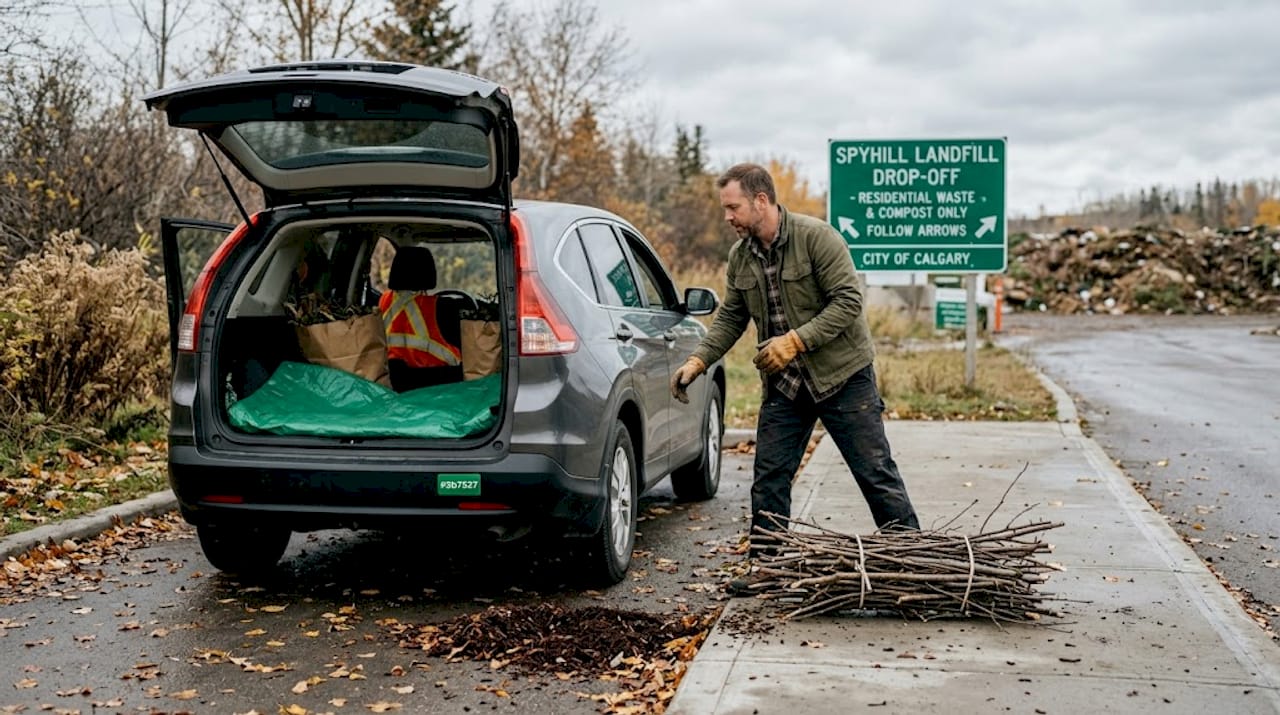
Pro Tip: Stock up on kraft paper compost bags at the start of spring and autumn. Running out mid-cleanup is one of the most common reasons Calgary homeowners leave debris sitting too long.
When to call for professional help? If your property has large trees, extensive garden beds, gravel yard maintenance challenges, or if you are managing a property after a significant storm event, a professional service will save you significant time and reduce the risk of improper disposal.
Here is a quick checklist for getting started:
- Review city bylaws relevant to your neighbourhood
- Identify your nearest landfill drop-off location (Spyhill or Shepard)
- Confirm current Green Cart collection schedule
- Gather all necessary tools before the season begins
- Book a professional service if your property exceeds DIY capacity
Step-by-step property debris management all year
Calgary’s seasons each come with their own debris challenges. The most effective approach is not one big annual cleanup, but a series of targeted seasonal tasks with a consistent inspection habit running year-round.
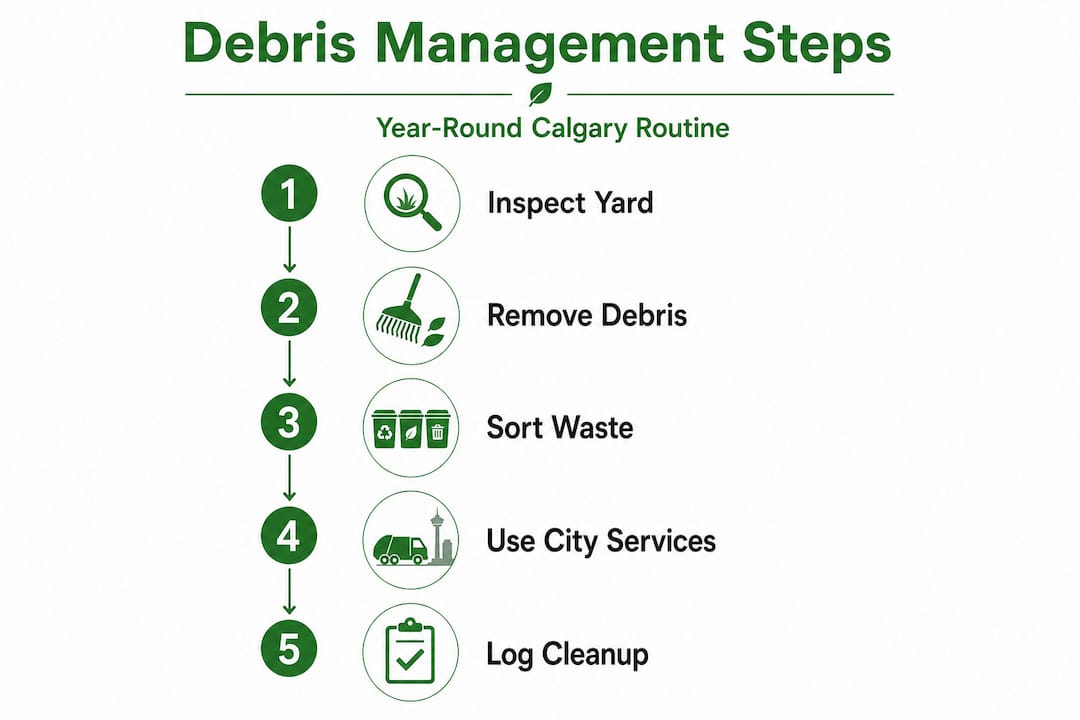
The core four-step process
Inspect the full property perimeter, including fence lines, garden beds, and drainage areas. Note what has accumulated and identify any safety hazards like glass, nails, or pest activity before touching anything.
Collect debris using the right tool for the material. Leaves go in compost bags. Branches go in a pile for landfill transport or chipping. Gravel or sand displaced by ploughing gets swept back to borders. Do not mix types during collection.
Sort everything before disposal. Organic yard waste, woody debris, and non-organic material all have different disposal routes. Sorting at this stage prevents costly errors like rejected collection or fines.
Dispose or compost using the appropriate city service. Composting yard waste recycles nutrients back into your soil, and the City of Calgary offers free compost pickup at 100 litres per household during late April through May. For storm or tree debris, free landfill drop-off is available during designated periods.
Seasonal breakdown
| Season | Primary debris type | Key city service available |
|---|---|---|
| Spring | Thatch, sticks, sand, dead plant material | Free compost giveaway (April to May) |
| Summer | Grass clippings, storm branches | Green Cart collection ongoing |
| Autumn | Leaves, garden bed turnover | Free leaf drop-off events |
| Winter | Snow, ice, post-storm woody debris | Landfill drop-off for storm material |
Pro Tip: Set a recurring calendar reminder every six weeks to do a quick property walk. You will catch minor debris build-up before it becomes a major project.
For homeowners managing larger or more complex properties, building an efficient outdoor workflow around these four steps will dramatically reduce your total time spent per season. You can also explore seasonal cleanup services if you want expert support at peak periods without committing to a full annual contract.
One often-overlooked tip: after every significant windstorm or chinook event, do a same-day inspection. Wind damage debris left for even a few days can shift into drainage channels, creating much bigger problems.
Troubleshooting and avoiding common debris management mistakes
Even well-intentioned Calgary homeowners make debris management mistakes that cost them time and money. Here are the most common ones and how to avoid them.
Mixing garbage with yard waste. This is one of the most frequent errors. Mixing debris with household garbage leads to collection refusal or fines. Yard waste must go into Green Cart or kraft bags, not black garbage bins.
Burning debris. Some homeowners assume a small backyard burn pile is harmless. It is not legal in Calgary. Burning any yard waste is prohibited citywide, with no exceptions for residential properties.
Missing city collection events. The leaf drop-off programmes and compost giveaways run for limited windows. Miss them, and you are left managing disposal on your own dime.
Leaving debris too close to the home. Wet leaves and branches stacked against siding, fences, or window wells create moisture and pest problems. Always keep debris at least a metre away from structures while it awaits disposal.
Ignoring hidden hazards in storm debris. Large storm piles can conceal broken glass, bent metal, nails from broken fences, or even animal nests. Before raking or bagging, do a visual and gentle physical check of any significant storm pile.
“The most expensive cleanup is always the one that was postponed. In Calgary, a single missed autumn cleanup can mean reseeding an entire lawn the following spring.”
If you receive a bylaw notice for your property, address it promptly. The city operates a graduated enforcement system, but unresolved notices can escalate to fines. Contact 311 to clarify what specific actions are required and to confirm timelines for compliance.
Preparing your yard seasonally is the most reliable way to stay ahead of bylaw notices and keep your property off the city’s radar entirely.
Keep a simple log of your cleanup dates and what was removed each season. This record is surprisingly useful if you ever need to dispute a bylaw complaint or demonstrate consistent property maintenance.
Managing debris in Calgary: The truth most guides ignore
Here is something most debris management guides will not tell you: the gap between what the City of Calgary provides and what you are actually responsible for is larger than most homeowners realise. City leaf drop-offs, compost giveaways, and landfill access are genuinely helpful resources. But they cover specific windows of time and specific types of material. Everything outside those windows is your responsibility.
We have worked with Calgary homeowners who believed that because the city offers spring and fall programmes, they were covered. They were not. A wind event in July that brings down branches, a late September snowfall that buries fresh leaf drop before the collection schedule starts, or a construction project next door that scatters gravel across your lawn: none of these fit neatly into city programmes. And yet the bylaw still applies.
The real solution is not a single annual cleanup. It is a mindset shift toward small, consistent routines. A ten-minute weekly walkthrough of your property takes less time than a single emergency cleanup call ever will. Setting seasonal reminders in your phone, teaming up with a neighbour to share equipment, and keeping a basic kit accessible in your garage all add up to a property that stays consistently clean rather than cycling between neglected and frantically cleaned.
There is also a community dimension that tends to get overlooked. Debris problems travel. Leaves blow from one yard to the next. Overgrown hedges affect sidewalk safety for everyone. The homeowners who master seasonal debris management tend to be the ones who think of their property as part of the neighbourhood ecosystem, not just their own isolated patch.
Prioritise safety over convenience every single time. Do not leave a debris pile because it is raining. Do not skip an inspection because it is cold. Those are exactly the conditions that create the hazards that create the liability.
Level up your Calgary property with expert debris and yard care
Knowing what needs to be done and actually having the time and tools to do it are two different things. Calgary’s weather does not wait, and neither do bylaw deadlines. That is where professional support makes a real difference.

At YearLong Property Maintenance, we handle the full cycle of outdoor debris management for Calgary homeowners, from spring thaw cleanup through to late autumn leaf removal and everything in between. Whether you need a single seasonal visit or ongoing year-round support, our flexible packages are built around your property’s specific needs. We bring the right equipment, follow all city disposal guidelines, and keep your property looking sharp and staying compliant without you having to track every seasonal service window. Book a seasonal clean-up to get started, or explore our full lawn care services for year-round property support tailored to Calgary conditions.
Frequently asked questions
Where can I take large branches or storm debris in Calgary?
You can drop off large branches or storm debris for free at city landfills like Spyhill and Shepard during designated periods, as storm debris qualifies for free drop-off under city guidelines.
Is burning yard waste allowed in Calgary?
No, burning yard waste is completely prohibited in Calgary. Use your Green Cart, compost giveaway, or a city landfill instead.
How can I get free compost from the City of Calgary?
Each household can pick up 100L of free compost during late April through May at designated city locations, with quantities limited per visit.
What happens if I mix garbage with my yard debris?
Mixing garbage with yard debris can result in collection refusal or fines. Always keep yard waste separated and in approved kraft bags or your Green Cart.
What is the penalty for illegal dumping in Calgary?
Illegal dumping carries fines up to $10,000 for improper debris disposal, making proper city-approved disposal well worth the extra effort.