

Calgary homeowners know the frustration of struggling with outdoor cleanup in unpredictable weather. This guide delivers a proven, step-by-step process tailored to Calgary’s unique climate, helping you achieve healthier lawns and pristine landscapes year-round. From timing your cleanup perfectly to avoiding common mistakes, you’ll learn exactly how to protect your property investment and boost curb appeal through every season.
Table of Contents
- Introduction To Outdoor Cleanup In Calgary
- Prerequisites: Tools, Materials, And Timing
- Step 1: Seasonal Outdoor Cleanup Procedures
- Step 2: Preparing Lawns And Garden Beds For Winter
- Troubleshooting Common Cleanup Mistakes
- Safety Considerations And Warnings
- Expected Timelines, Costs, And Outcomes
- Alternative Approaches And Service Options
- Maintain Your Calgary Property With Expert Outdoor Cleanup Services
- Frequently Asked Questions
Key takeaways
| Point | Details |
|---|---|
| Timing and tools drive success | Proper scheduling around frost dates and quality equipment ensure effective cleanup results. |
| Stepwise cleanup protects lawns | Following sequential tasks reduces pests, improves soil health, and prepares grass for dormancy. |
| Winter preparation extends plant life | Strategic pruning and mulching insulate roots and minimise stress during harsh Calgary winters. |
| Common mistakes cost time and money | Avoiding errors like improper pruning and dull tools saves effort and protects plant health. |
| Professional services offer reliability | Expert cleanup ensures optimal timing, reduces mistakes, and delivers measurable property value gains. |
Introduction to outdoor cleanup in Calgary
Calgary’s climate presents unique challenges for outdoor property maintenance. With winter temperatures plunging below freezing and unpredictable spring weather, homeowners must adapt their cleanup strategies to protect lawns and landscapes effectively. Understanding these seasonal demands helps you avoid costly damage and maintain vibrant, healthy outdoor spaces.
Year-round maintenance prevents pest infestations and supports robust lawn health. Neglecting seasonal cleanup allows debris to harbour insects, encourages fungal growth, and smothers grass during dormancy. Regular attention to your property reduces these risks and sets the foundation for strong spring recovery.
Comprehensive cleanup encompasses multiple critical tasks:
- Lawn mowing and aeration to enhance oxygen flow and nutrient absorption
- Debris and leaf removal to prevent disease and pest habitats
- Pruning shrubs and trees to reduce winter stress and encourage healthy growth
- Garden bed preparation with mulch application for soil insulation
- Final fertilisation to support root development during dormancy
Proper timing makes all the difference. Calgary homeowners should schedule fall cleanup before the first hard frost, typically mid-October, and spring cleanup after snowmelt, usually late March to early April. This strategic approach maximises plant recovery and minimises weather-related setbacks. For more detailed seasonal strategies, explore yard preparation made easy calgary fall clean up and spring clean up to align your efforts with optimal timing windows.
Prerequisites: tools, materials, and timing
Before starting outdoor cleanup, gather essential tools to work efficiently and safely. Quality equipment reduces physical strain and produces superior results compared to makeshift alternatives. Investing in proper tools pays dividends through faster completion times and healthier landscapes.
Essential cleanup tools include:
- Lawn mower with sharp blades for clean cuts that promote grass health
- Core aerator to relieve soil compaction and improve root penetration
- Leaf rakes and garden rakes for debris removal and bed levelling
- Bypass pruning shears for precise cuts on live branches
- Heavy-duty work gloves to protect hands from thorns and splinters
- Wheelbarrow or garden cart for efficient debris transport
- Spreader for even fertiliser and seed distribution
Timing your cleanup around Calgary’s frost dates ensures plants receive care when they benefit most. The last spring frost typically occurs in late May, while the first fall frost arrives in mid-September. Schedule spring cleanup after soil thaws completely, usually late March, and complete fall tasks by mid-October before ground freezes.
| Season | Optimal Timing | Key Tasks |
|---|---|---|
| Spring | Late March to early May | Debris removal, aeration, overseeding |
| Fall | September to mid-October | Leaf removal, final mowing, winterising |
Pro Tip: Check Calgary’s 14-day weather forecast before scheduling cleanup. Avoiding rain or unexpected cold snaps prevents working in muddy conditions and allows proper application of treatments. Dry soil improves aeration effectiveness and reduces compaction damage.
Understanding local climate patterns helps you anticipate ideal working conditions. Calgary experiences chinook winds that can raise temperatures dramatically in winter, creating brief opportunities for additional cleanup if needed. Familiarise yourself with lawn care fundamentals to complement your seasonal cleanup efforts and maintain consistent property health year-round.
Step 1: seasonal outdoor cleanup procedures
Executing outdoor cleanup systematically ensures thorough coverage and maximum benefit for your property. Start by assessing your entire landscape to identify priority areas requiring immediate attention. Walk your property perimeter, noting debris accumulation, overgrown plants, and lawn damage from winter or summer stress.
Follow this proven cleanup sequence:
- Remove large debris including fallen branches, dead plant material, and accumulated leaves from beds and lawn areas
- Rake lawn thoroughly to lift matted grass and remove thatch buildup exceeding 12 millimetres
- Mow grass to appropriate height: 6 to 7 centimetres in spring, 5 centimetres for final fall cut
- Aerate compacted soil using a core aerator, focusing on high-traffic areas and clay-heavy zones
- Apply appropriate fertiliser based on soil test results and season
- Overseed bare patches in spring to fill thin areas and improve lawn density
- Prune dead, diseased, or crossing branches from shrubs and trees
- Edge beds cleanly to define borders and prevent grass encroachment
- Apply fresh mulch layer of 5 to 7 centimetres in garden beds
Debris removal prevents disease and pest issues. Leaves left on lawns block sunlight and trap moisture, creating ideal conditions for fungal infections like snow mould. Clearing beds eliminates overwintering sites for insects that damage plants in spring.
Pro Tip: Bag only diseased plant material for disposal. Healthy leaves and grass clippings make excellent compost that enriches soil naturally. Composting reduces waste while creating free, nutrient-rich amendments for future use.
Proper mowing height matters significantly. Cutting grass too short stresses plants and reduces root depth, making lawns vulnerable to drought and weeds. Maintaining recommended heights encourages dense growth that crowds out unwanted plants naturally.
Aeration addresses soil compaction that restricts water, oxygen, and nutrient movement to grass roots. Calgary’s clay-heavy soils compact easily under foot traffic and equipment. Core aeration removes soil plugs, creating channels that improve drainage and root penetration. For comprehensive seasonal guidance, visit seasonal clean up to access detailed checklists and expert recommendations.
Mulching garden beds conserves moisture, regulates soil temperature, and suppresses weed growth. Apply organic mulches like shredded bark or compost in a layer thick enough to block light but thin enough to allow water penetration. Keep mulch pulled back 5 centimetmetres from plant stems to prevent rot and pest issues.
Step 2: preparing lawns and garden beds for winter
Winterising your property protects plants from Calgary’s harsh conditions and positions them for vigorous spring growth. Post-cleanup preparation focuses on nutrient application, moisture retention, and structural protection against freeze-thaw cycles.
Apply fall-specific fertiliser formulated with higher potassium content. Potassium strengthens cell walls, improving cold tolerance and disease resistance during dormancy. Phosphorus supports root development, allowing grass to establish deeper anchoring before ground freezes. Apply fertiliser four to six weeks before first frost for optimal absorption.
Mulching strategies vary by plant type:
- Apply 7 to 10 centimetres of organic mulch around trees and shrubs, keeping material away from trunks
- Spread 5 centimetres over perennial beds after ground begins freezing to prevent premature spring emergence
- Leave ornamental grass standing through winter for visual interest and wildlife habitat
- Remove annual plants completely and compost healthy material
Pro Tip: Wait until after several hard frosts before mulching perennial beds. Early application keeps soil warm, encouraging plants to break dormancy during mild spells, which exposes tender growth to subsequent freezes.
Pruning timing significantly affects plant health. Remove dead and diseased wood anytime, but save major shaping for late winter when plants are fully dormant. Fall pruning stimulates new growth that winter weather will damage. Focus autumn efforts on safety hazards like broken branches and clearance issues near structures.
Water deeply before ground freezes to ensure adequate moisture reserves. Evergreens particularly benefit from thorough fall watering since they continue transpiring through winter. Well-hydrated plants withstand cold stress better and experience less desiccation damage from dry Calgary winds.
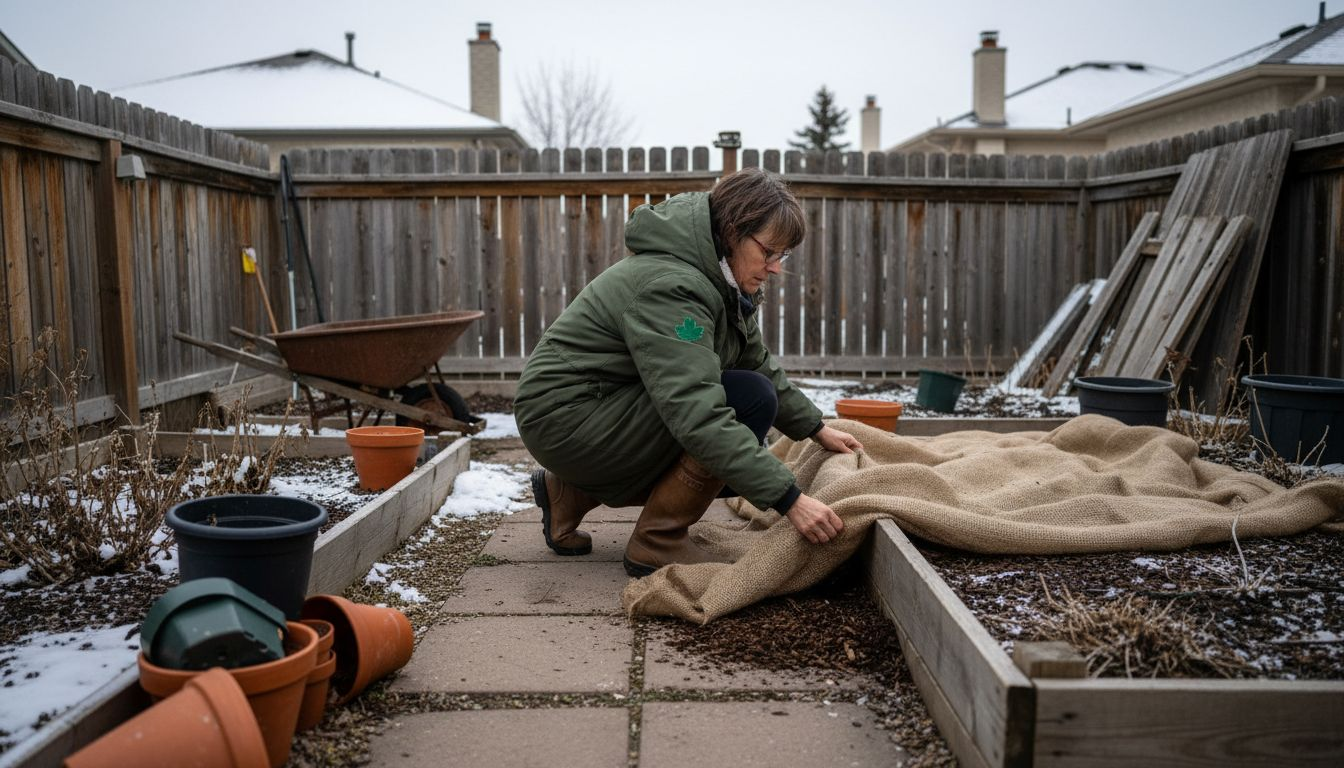
Protect vulnerable plants with physical barriers. Wrap young trees in burlap to prevent sunscald on south-facing bark. Install burlap screens around evergreens near roadways to block salt spray from winter maintenance operations. These simple measures dramatically reduce plant losses and spring recovery time. Enhance your winterising efforts with specialised bed maintenance techniques that address Calgary’s specific climate challenges.
Troubleshooting common cleanup mistakes
Avoiding frequent errors saves time, protects plants, and improves cleanup effectiveness. Understanding these pitfalls helps you achieve professional-quality results independently.
Neglecting debris removal creates multiple problems. Thick leaf layers block sunlight essential for photosynthesis, weaken grass, and encourage fungal diseases. Debris also provides shelter for rodents and insects that damage plants and potentially enter homes. Remove all fallen leaves promptly, especially before snowfall traps them against turf.
Improper pruning techniques harm plants instead of helping:
- Cutting too close to the trunk removes protective branch collars, inviting disease and pest entry
- Leaving stubs creates dead wood that rots and spreads infection
- Pruning at wrong times stimulates growth vulnerable to winter damage
- Using dull blades crushes stems rather than making clean cuts, increasing disease risk
Tool maintenance directly affects cleanup quality and safety. Dull mower blades tear grass rather than cutting cleanly, creating ragged edges that brown and invite disease. Dirty tools spread pathogens between plants. Rusty equipment requires excessive force, increasing injury risk and fatigue.
Maintain tools properly:
- Sharpen mower blades after every 8 to 10 hours of use
- Clean and oil pruning shears after each session
- Remove soil buildup from aerator tines to maintain penetration depth
- Inspect handles and connections for wear that could cause failure during use
Over-application of treatments wastes money and potentially damages lawns. Excess fertiliser burns grass, contaminates groundwater, and promotes excessive growth requiring more frequent mowing. Follow product instructions precisely and calibrate spreaders annually to ensure accurate application rates.
Timing errors reduce cleanup effectiveness. Starting too early exposes completed work to additional debris from ongoing leaf fall. Beginning too late risks working in frozen or muddy conditions that compact soil and damage turf. Monitor weather forecasts and local tree phenology to schedule optimally. Learn more about preventing common issues through calgary lawn spring clean up prevents weeds and discover how proper technique protects your investment.
Safety considerations and warnings
Outdoor cleanup involves physical hazards requiring appropriate precautions. Understanding risks and using proper protective equipment prevents injuries that sideline homeowners and create expensive medical bills.
Sharp tools pose cutting and puncture dangers. Pruning shears, mower blades, and aerator tines cause serious injuries when handled carelessly. Always carry cutting tools with blades pointed down and away from your body. Store equipment securely out of children’s reach.
Essential protective gear includes:
- Heavy-duty work gloves to protect against cuts, blisters, and chemical exposure
- Safety glasses or goggles when using power equipment or pruning overhead
- Sturdy closed-toe boots with slip-resistant soles for traction on uneven ground
- Long trousers to shield legs from sharp debris and insect bites
- Ear protection when operating loud equipment like mowers and blowers
Slippery surfaces multiply fall risks significantly. Morning dew, rain, and frost create treacherous conditions on slopes and paved areas. Wait for surfaces to dry before working on grades steeper than 15 degrees. Use extreme caution when operating equipment on wet grass, which reduces traction dramatically.
“Never operate power equipment when fatigued or distracted. Most yard work injuries occur during the final hour of extended sessions when concentration lapses and muscles tire. Take regular breaks and stay hydrated to maintain alertness.”
Chemical hazards require careful handling. Fertilisers and pest control products irritate skin, eyes, and respiratory systems. Read all product labels completely before use. Mix and apply treatments in well-ventilated areas, avoiding windy conditions that spread materials unpredictably. Wash hands thoroughly after handling any chemicals, even if you wore gloves.
Power equipment demands respect and attention. Mowers propel debris at high velocities capable of causing serious eye injuries. Clear work areas of rocks, sticks, and toys before mowing. Never bypass safety features like blade guards or automatic shutoffs designed to protect operators.
Weather awareness prevents heat-related illnesses and cold exposure injuries. Calgary’s variable conditions can shift rapidly from comfortable to dangerous. Work during cooler morning hours in summer to avoid heat exhaustion. Dress in layers during spring and fall cleanup to adjust as temperatures fluctuate throughout the day.
Expected timelines, costs, and outcomes
Understanding time requirements and financial investment helps homeowners plan cleanup effectively and evaluate whether DIY or professional services fit their circumstances better.
Typical professional cleanup services require 3 to 6 hours for average Calgary residential properties, depending on lot size and landscape complexity. Companies charge between 150 to 400 dollars per visit, with spring and fall cleanups at the higher end due to increased debris volume. Annual contracts bundling multiple services often reduce per-visit costs by 10 to 20 percent.
| Service Component | DIY Time Estimate | Professional Cost Range |
|---|---|---|
| Debris and leaf removal | 2 to 4 hours | 75 to 150 dollars |
| Lawn mowing and edging | 1 to 2 hours | 40 to 80 dollars |
| Aeration | 2 to 3 hours | 80 to 150 dollars |
| Pruning and bed prep | 2 to 4 hours | 100 to 200 dollars |
| Complete seasonal package | 7 to 13 hours | 250 to 500 dollars |
DIY cleanup requires significant time investment but eliminates labour costs. Budget full weekend days for thorough property coverage, particularly if you lack experience or appropriate equipment. Tool rental adds 50 to 100 dollars for items like aerators unavailable to most homeowners.
Visible improvements appear within weeks of proper cleanup. Lawns respond to aeration and fertilisation with deeper colour and thicker growth. Beds look crisp and well-maintained with fresh mulch and defined edges. These aesthetic gains translate directly to curb appeal, influencing neighbourhood perceptions and property valuations.
“Enhanced curb appeal increases property value by up to 15% according to real estate industry data. Professional landscaping consistently ranks among the highest-return home improvements, often recovering 100 to 200 percent of investment at sale.”
Long-term benefits extend beyond appearance. Regular cleanup reduces pest pressure, minimises disease issues, and extends plant lifespan. Healthy lawns require less water, fewer chemical treatments, and reduced replacement costs compared to neglected turf. These savings compound over years of consistent maintenance.
Seasonal timing affects availability and pricing. Spring cleanup demand peaks in April and May, often requiring advance booking and premium rates. Fall services in September and October face similar constraints. Schedule early or consider off-peak timing for potential discounts. Professional seasonal clean up services provide guaranteed availability and expert execution aligned with Calgary’s optimal timing windows.
Alternative approaches and service options
Homeowners choose between DIY cleanup and professional services based on time availability, physical capability, and desired outcomes. Each approach offers distinct advantages and limitations worth considering carefully.
DIY cleanup provides complete control and eliminates labour expenses. You work on your own schedule, adjusting tasks to match weather and personal commitments. This flexibility suits homeowners who enjoy outdoor work and have necessary tools already. However, DIY demands significant time investment, physical stamina, and technical knowledge to achieve professional-quality results.
Professional services deliver expertise, specialised equipment, and consistent scheduling. Experienced crews complete tasks efficiently, often finishing in hours what takes DIY homeowners full days. Professionals understand optimal timing, proper techniques, and common pitfalls, reducing mistakes that damage plants or waste materials. Equipment access includes commercial-grade aerators, mowers, and debris management tools beyond typical homeowner budgets.
| Approach | Advantages | Disadvantages |
|---|---|---|
| DIY Cleanup | Lower cost, flexible scheduling, personal satisfaction | Time-intensive, requires tools and knowledge, physical demands |
| Professional Service | Expert execution, efficiency, specialised equipment, guaranteed results | Higher upfront cost, scheduling constraints, less personal control |
Mulching versus raking represents another strategic choice with environmental and labour implications. Mulching mowers chop leaves finely, returning nutrients directly to soil while eliminating bagging and disposal. This approach saves time and benefits lawn health when leaf coverage remains moderate. Heavy leaf accumulation requires traditional raking and removal to prevent smothering, though collected material makes valuable compost.
Service package options accommodate varying needs and budgets:
- One-time seasonal cleanup for homeowners managing routine maintenance independently
- Biannual spring and fall packages ensuring critical seasonal transitions receive expert attention
- Full-service annual contracts covering mowing, cleanup, fertilisation, and snow removal
- Custom programmes addressing specific property challenges like drainage, heavy shade, or pest pressure
Local providers like YearLong offer flexible packages designed specifically for Calgary conditions. Their climate expertise ensures proper timing and technique application, maximising results while minimising homeowner stress and effort. Explore comprehensive lawn care programmes that extend beyond cleanup to maintain year-round property health.
Sustainable practices benefit both properties and the environment. Composting yard waste reduces landfill burden while creating soil amendments. Electric or battery-powered equipment eliminates emissions and reduces noise pollution. Native plant selection decreases water requirements and supports local wildlife. These choices align property care with environmental stewardship without sacrificing results. Additional guidance on integrating seasonal strategies appears in yard preparation made easy calgary fall clean up and spring clean up, helping you make informed decisions aligned with your values and goals.
Maintain your Calgary property with expert outdoor cleanup services
Navigating Calgary’s demanding climate requires specialised knowledge and precise timing that professional services deliver consistently. YearLong Property Maintenance combines eight years of local experience with comprehensive lawn care and seasonal clean up expertise tailored specifically to Calgary conditions. Their teams understand exactly when to aerate, fertilise, and prepare beds for maximum plant health and curb appeal.

Professional scheduling eliminates guesswork and prevents costly mistakes that damage lawns and landscapes. YearLong’s satisfaction guarantee ensures results that enhance property value while freeing your time for activities you actually enjoy. From debris removal through complete bed maintenance, their flexible service packages adapt to your specific needs and budget, delivering reliable outdoor care year-round.
Frequently asked questions
How often should I perform outdoor cleanup in Calgary?
Perform comprehensive cleanup twice annually: spring cleanup after snowmelt in late March to early April, and fall cleanup before first frost in mid-September to mid-October. Additional spot cleanup during summer addresses storm debris and overgrowth. Winter maintenance focuses on snow removal and protecting vulnerable plants from extreme cold and chinook wind damage. Consistent seasonal clean up timing maximises lawn health and minimises pest pressure throughout the year.
What tools do I absolutely need for outdoor cleanup?
Essential tools include a sharp lawn mower, core aerator for compacted soil, sturdy leaf and garden rakes, bypass pruning shears for precise cuts, and heavy-duty protective gloves. A wheelbarrow simplifies debris transport, whilst a fertiliser spreader ensures even application. Investing in quality equipment improves results and reduces physical strain compared to makeshift alternatives. Proper tool maintenance extends lifespan and maintains effectiveness season after season. Discover complete equipment recommendations through lawn care resources.
Is it better to hire a professional or do it myself?
DIY cleanup saves money but demands significant time, physical effort, and technical knowledge to achieve professional results. Most homeowners spend 7 to 13 hours completing thorough seasonal cleanup compared to 3 to 6 hours for professional crews. Professionals provide expertise, specialised equipment like commercial aerators, and guaranteed results aligned with optimal Calgary timing. Choose DIY if you enjoy outdoor work and have appropriate tools. Select professional lawn care services when time, physical limitations, or desired quality exceeds DIY capabilities.
What safety precautions should I take during cleanup?
Always wear protective gloves, safety glasses, and sturdy closed-toe boots with slip-resistant soles. Use ear protection when operating loud power equipment. Never work on slopes steeper than 15 degrees when surfaces are wet or frosty. Carry sharp tools with blades pointed down and away from your body. Take regular breaks to prevent fatigue that increases injury risk. Read and follow all chemical product labels carefully, mixing and applying treatments only in well-ventilated areas away from children and pets.
Recommended
- Why Spring Yard Clean Up in Calgary Is Essential
- Calgary Fall Clean Up | Spring Clean up in Calgary
- Spring Clean Up Calgary | Calgary Fall Clean Up
- Calgary Yard Cleanup | Calgary Fall Clean-up
- Home – Berks Pressure Washing
- Top 6 mbappliancerepair.ca Alternatives in 2026 for Homeowners in Canada Seeking Reliable Appliance Repair Solutions – CoolFix Appliance & HVAC Service