

TL;DR:
- Lawn restoration involves site assessment, soil preparation, and ongoing care over multiple seasons for effective results. Proper soil preparation is crucial, and timing around late summer or early autumn maximizes seed success. Consistent maintenance, including watering and aeration, ensures a healthy, dense lawn over time.
Lawn restoration is the process of reviving sparse, bare, or uneven turf through targeted soil preparation, reseeding or sodding, and consistent aftercare. If you want to know how to restore patchy lawn areas effectively, the answer starts with a proper site assessment before you touch a single seed. A full lawn renovation requires 6–10 weeks of active management. That timeline assumes you follow the correct sequence. Skip steps, and you will repeat the process next season.
How to assess your patchy lawn before restoration begins
Restoration only works when the site is ready for it. Lawn restoration succeeds only when less than 50% of the area is covered in weeds and no standing water is present. If either condition fails, you must fix the underlying soil or drainage problem before seeding anything.
Walk your lawn and check for these signs before you start:
- Weed coverage: If weeds dominate more than half the lawn, a full renovation is more effective than patching.
- Standing water: Pooling after rain signals drainage or compaction issues that will kill new seed.
- Thatch thickness: A thatch layer thicker than 1.25 centimetres blocks water and nutrients from reaching the soil.
- Soil firmness: Press a screwdriver into the ground. If it does not penetrate easily, the soil is compacted and needs aerating.
- Bare spot size: Small isolated patches respond well to patch seeding. Large connected bare areas need overseeding or sodding.
Timing matters as much as diagnosis. Late summer or early autumn is the best period for major lawn repair and overseeding. Cooler temperatures reduce heat stress on new seedlings, and natural rainfall keeps the soil moist. Spring is a workable secondary window, but weed competition is higher.
Pro Tip: Take photos of your lawn from the same angle every two weeks. Visual records help you spot slow progress that is easy to miss day to day, and they confirm whether your restoration plan is working.
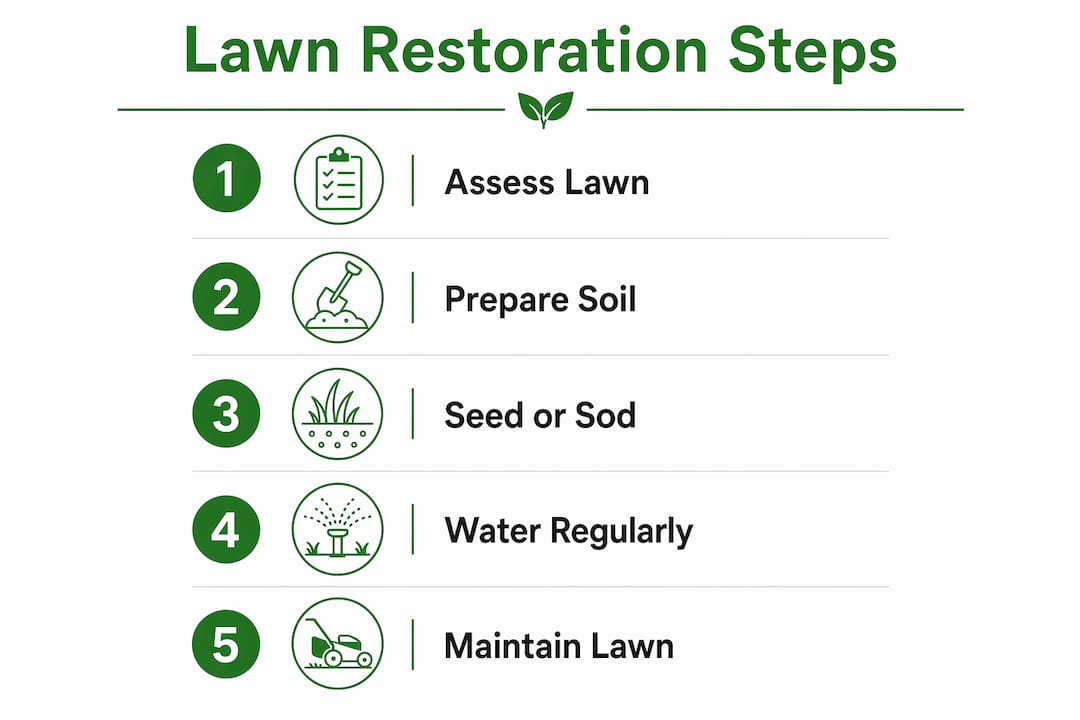
Soil preparation: the step most homeowners skip
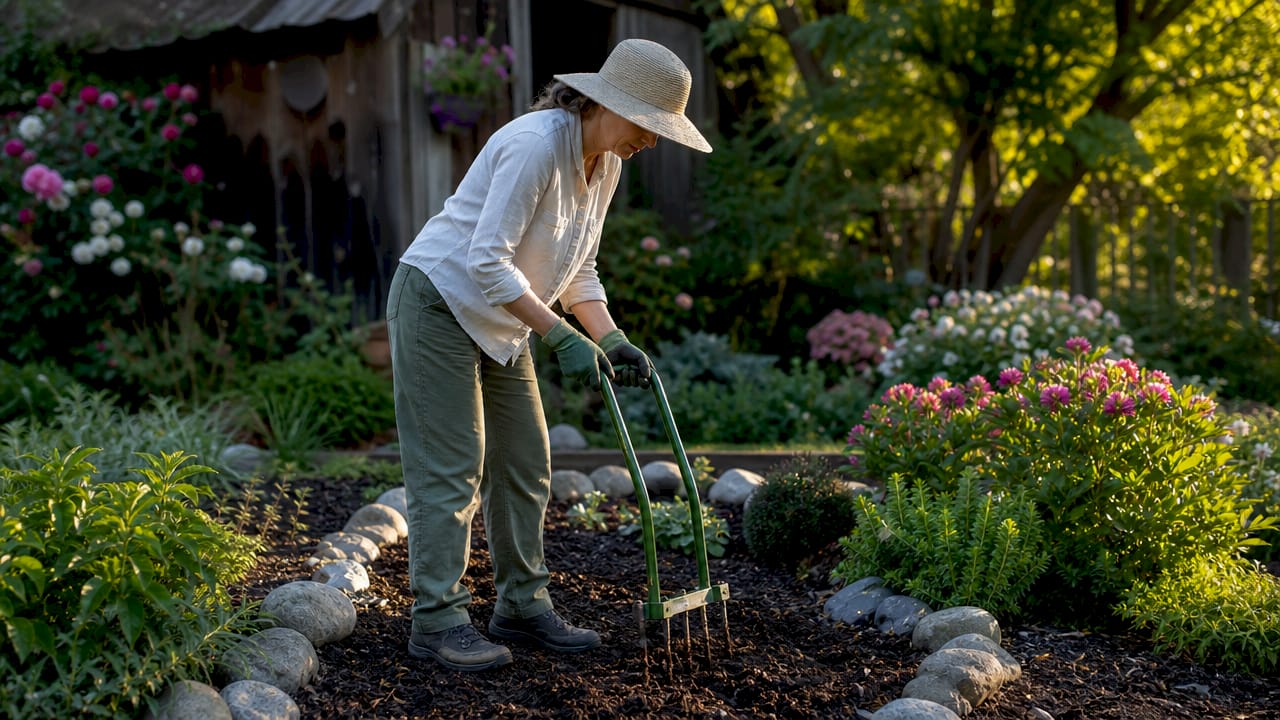
Good soil preparation is the single biggest predictor of restoration success. New seed needs direct contact with loose, nutrient-rich soil. Thatch, dead grass, and debris all block that contact and cause patchy germination.
Follow this sequence before you sow a single seed:
- Remove dead grass and debris. Rake out dead material with a stiff garden rake or a power rake. This exposes bare soil and improves seed contact.
- Apply herbicide if needed. If weeds are widespread, apply a non-selective herbicide and wait. A 7–14 day waiting period after herbicide application is required before soil preparation. Skipping this step leaves dead material on the surface that blocks seed-to-soil contact.
- Test your soil. A basic soil test from a garden centre reveals pH and nutrient levels. Most lawn grasses prefer a pH between 6.0 and 7.0. Lime raises pH; sulphur lowers it.
- Aerate the soil. Core aeration pulls small plugs of soil out of the ground, reducing compaction and improving water infiltration. For a deeper look at how aeration works, the lawn aerator guide explains the mechanics clearly.
- Dethatch if needed. Use a dethatching rake or power dethatcher to remove the thatch layer before seeding.
- Adjust mowing height. Mow existing grass to 1.5–2 inches before overseeding. Lower grass allows more sunlight to reach the soil surface, which improves germination rates significantly.
Pro Tip: After aerating, top-dress bare areas with a thin layer of quality compost. It fills the aeration holes, improves soil structure, and gives new seed a nutrient-rich bed to germinate in.
Overseeding, patch seeding, or sodding: which method fits your lawn?
The right repair method depends on the size of the damage, your budget, and how quickly you need results. Each approach has a distinct use case.
Overseeding spreads seed across the entire lawn surface, including thin areas that have not gone fully bare. It is the best choice when the lawn is generally thin but not completely dead. It improves density over time and works well as part of annual lawn care.
Patch seeding targets specific bare spots. Apply 15–25g of seed per square metre using a perpendicular sowing technique, which means sowing in two directions at right angles to each other. This cross-hatch pattern produces more uniform coverage than a single-direction pass.
Sodding delivers instant results. Sod provides full lawn cover in 2–3 weeks but requires daily watering and costs significantly more than seeding. It is the right choice when you need a presentable lawn quickly, such as before a property sale or a landscaping deadline.
Key factors to weigh when choosing your method:
- Shade tolerance: Select a grass seed mix labelled for shade if your bare spots sit under trees or near fences.
- Wear resistance: High-traffic areas need a hard-wearing mix, such as one containing perennial ryegrass.
- Local climate: In Calgary, cool-season grasses like Kentucky bluegrass and fescue blends perform best through the growing season.
- Budget: Seeding costs a fraction of sodding but requires more patience. Sodding costs more upfront but reduces the risk of germination failure.
For Calgary homeowners, the lawn overseeding guide from Yearlong covers local seed mix recommendations in detail.
Watering, fertilising, and post-seeding care
Consistent aftercare determines whether your restoration effort holds or fails. New seed is fragile. It needs moisture, nutrients, and protection from foot traffic during the first weeks.
Follow this sequence after seeding or sodding:
- Water lightly and frequently. Keep the top 2–3 centimetres of soil moist until germination. Water twice daily in dry weather, once in the morning and once in the afternoon. Avoid heavy watering that washes seed away.
- Apply starter fertiliser. Use a starter fertiliser with a higher phosphorus content immediately after seeding. Phosphorus supports root development in new seedlings.
- Wait before mowing. Do not mow until new grass reaches at least 7–8 centimetres. Mowing too early pulls seedlings out of the ground before roots have anchored.
- Reduce watering frequency gradually. Once seedlings are established, shift to deeper, less frequent watering. This trains roots to grow downward rather than staying near the surface.
- Avoid foot traffic. Keep children, pets, and heavy equipment off newly seeded areas for at least four weeks.
Pro Tip: Pre-germinating seed in moist compost at around 15°C can cut visible establishment time from one week down to as little as three days. Wrap damp seed in a cloth, keep it warm, and sow as soon as you see the first sprouts.
Realistic expectations matter here. A lawn restoration process typically takes two to three growing seasons to produce a lush, self-repairing lawn. You will see improvement in the first season, but full density takes time.
Troubleshooting poor germination and long-term lawn health
Even a well-executed restoration can hit problems. Knowing what to look for saves you from repeating the entire process.
- Patchy germination: Uneven growth usually means uneven seed-to-soil contact. Rake lightly and re-sow thin areas. Check that you did not over-water and wash seed into low spots.
- Weeds appearing in new grass: Wait until new grass has been mowed at least three times before applying any weed control product. Most selective herbicides damage seedlings younger than six weeks.
- Soil compaction returning: High foot traffic compacts soil quickly. Aerate once per year, ideally in early autumn, to maintain soil health after restoration.
- Slow establishment in shaded areas: Shade reduces photosynthesis and slows growth. Overseed shaded spots with a fine fescue mix, which tolerates low light better than bluegrass.
- Repeat bare patches in the same spots: Recurring bare areas signal an underlying cause, such as a buried rock, a drainage problem, or a pest infestation. Investigate before reseeding.
Seasonal care extends the life of your restored lawn. A spring exterior cleanup that includes raking, edging, and removing winter debris sets the lawn up for a strong growing season. In autumn, a final fertiliser application with a higher potassium content helps grass survive the winter and green up faster in spring.
Key takeaways
Restoring a patchy lawn requires correct site assessment, proper soil preparation, and consistent aftercare across multiple growing seasons.
| Point | Details |
|---|---|
| Assess before you act | Restoration fails when more than 50% of the lawn is weeds or drainage problems go unaddressed. |
| Soil preparation is non-negotiable | Aerate, dethatch, and wait 7–14 days after herbicide before sowing seed. |
| Match the method to the damage | Use patch seeding for small bare spots, overseeding for thin turf, and sodding when speed matters. |
| Aftercare determines success | Water twice daily until germination, apply starter fertiliser, and avoid mowing until grass reaches 7–8 centimetres. |
| Expect a multi-season process | Visible improvement comes in the first season, but a fully dense lawn takes two to three growing seasons. |
What I have learned after years of lawn restoration work
The biggest mistake I see homeowners make is treating lawn restoration like a single weekend project. They scatter seed, water for a week, and then wonder why the bare patches are back by midsummer. The process is sequential. Each step depends on the one before it.
Soil preparation is where most of the real work happens. I have seen lawns where the seed was perfect and the timing was right, but the thatch layer was never removed. The seed sat on top of dead material and never made contact with soil. Nothing germinated. The homeowner blamed the seed. The problem was the prep.
Calgary’s climate adds another layer of complexity. Our short growing season means timing is less forgiving than in milder regions. Late august and early september are the sweet spot for overseeding here. Miss that window and you are waiting until spring, which brings more weed competition and less reliable moisture.
The homeowners who get lasting results are the ones who commit to the full sequence and repeat key steps annually. Aerate every autumn. Overseed thin areas before they go bare. Test soil every two to three years. A lawn is not a one-time project. It is a system you maintain. The annual lawn rejuvenation guide from Yearlong lays out that annual rhythm clearly for Calgary conditions.
Patience is not optional. It is part of the method.
— Lewie
Yearlong’s lawn care services for Calgary homeowners
Restoring a patchy lawn takes time, knowledge, and consistent follow-through. If you would rather have a professional handle the assessment, preparation, and seeding, Yearlong has been serving Calgary homeowners since 2017 with exactly that.

Yearlong offers professional lawn care services that cover overseeding, power raking, aeration, and seasonal cleanup, all tailored to Calgary’s climate and growing conditions. Whether you are managing a single residential property or a portfolio of commercial sites, the team brings local expertise and a satisfaction guarantee to every job. Reach out to Yearlong to get your lawn assessed and a restoration plan built around your property’s specific needs.
FAQ
How long does it take to restore a patchy lawn?
A full lawn restoration requires 6–10 weeks of active management for initial results. A fully dense, self-repairing lawn typically takes two to three growing seasons.
What is the best time of year to reseed bare spots?
Late summer or early autumn is the best time for reseeding. Cooler temperatures and natural moisture give new seed the best chance of establishing before winter.
How much seed do I need for bare patches?
Apply 15–25g of seed per square metre using a perpendicular sowing technique. Sowing in two directions at right angles produces more even coverage than a single pass.
Can I use sod instead of seed to fix bare spots?
Sod works well for bare areas where you need fast results. It provides full cover in 2–3 weeks but requires daily watering and costs more than seeding.
Why does grass keep dying in the same spots?
Recurring bare patches usually signal an underlying problem such as soil compaction, poor drainage, a buried obstruction, or pest activity. Address the root cause before reseeding or the problem will return.