

TL;DR:
- Proactive maintenance helps landlords protect property value, reduce repair costs, and retain tenants longer. Spending time on scheduled upkeep and timely repairs prevents costly emergencies and keeps tenants satisfied. Regular inspections, seasonal tasks, and clear communication are key components of successful property management.
Landlord maintenance tips are proactive, scheduled actions that protect property value, reduce repair costs, and keep tenants renewing their leases. Proactive maintenance reduces tenant turnover by a significant margin. The difference between a well-maintained rental and a reactive one shows up in your repair bills, your vacancy rate, and your tenants’ willingness to stay. This guide covers the most practical landlord upkeep strategies, from monthly HVAC filter changes and gutter cleaning to digital maintenance logs, so you can manage your properties with confidence.
1. What landlord maintenance tips matter most?
The most impactful landlord maintenance tips focus on prevention rather than reaction. Emergency reactive repairs cost three times more than scheduled preventive maintenance. A $200 annual HVAC tune-up, for example, prevents a potential $3,000 compressor failure. A $75 drain cleaning prevents a $600 emergency plumbing call. Starting with the highest-risk systems, specifically HVAC, plumbing, and roofing, gives you the best return on your maintenance time and budget.
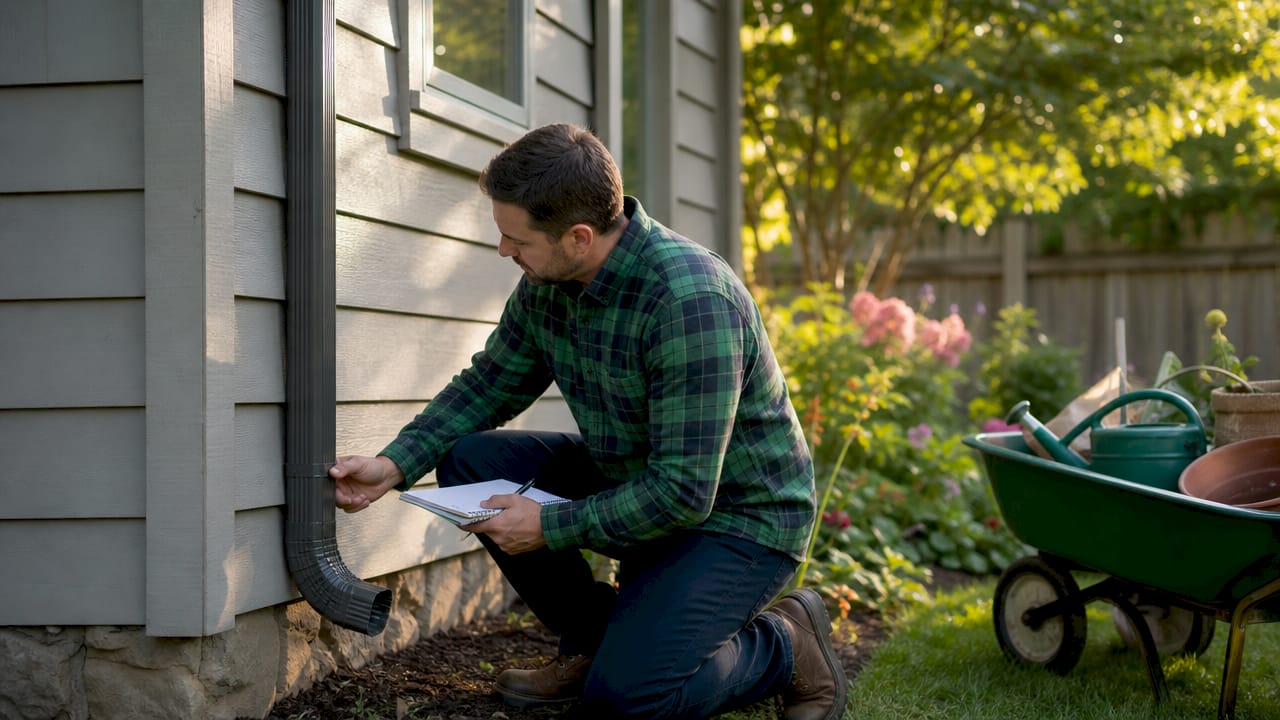
Maintenance should be managed as a long-term operating system rather than a series of reactive repair events. That shift in thinking stabilises your expenses and protects your asset value over time. Landlords who treat maintenance as a scheduled programme rather than an emergency fund consistently spend less and retain tenants longer.
2. Monthly, quarterly, and annual maintenance checklist for landlords
A structured maintenance checklist for landlords removes guesswork and keeps small problems from becoming expensive ones. Landlords managing 1–10 properties should budget 30–60 minutes monthly per property for routine checks. That time covers the tasks most likely to prevent an emergency call at 11 p.m.
Monthly tasks:
- Test smoke alarms and carbon monoxide detectors
- Replace simple fiberglass HVAC filters (pleated filters last up to 3 months)
- Check for minor plumbing leaks under sinks and around toilets
- Inspect common areas for trip hazards or lighting failures
Quarterly tasks:
- Clean gutters and downspouts to prevent water intrusion
- Conduct a pest inspection, especially in spring and autumn
- Check caulking around windows, tubs, and exterior penetrations
- Review HVAC filter condition and upgrade if needed
Annual tasks:
- Book a professional HVAC service before the heating or cooling season
- Clean dryer vents. Dryer vent cleaning costs $75–$150 professionally and prevents fire hazards. It takes 30–60 minutes and is one of the most commonly skipped tasks on any property.
- Inspect the roof and exterior after winter
- Service the water heater and check the anode rod
Pro Tip: Schedule your annual tasks in march and september so they align with seasonal transitions. Completing them before the peak demand season means contractors are available and prices are lower.
3. How preventive maintenance reduces repair costs and tenant disruption
Preventive maintenance is the single most cost-effective strategy available to landlords. The math is straightforward: routine HVAC and gutter maintenance prevents compressor failures and foundation water intrusion, both of which cost thousands to fix. Planned maintenance prevents many emergencies before they start.
“Consistent maintenance documentation shows a maintained system rather than an unknown service history. That distinction matters enormously in insurance claims and legal disputes.” — Property maintenance guide, 2026
Tenant retention is the other side of this equation. 40% of renters uncertain about renewing would stay another year if their landlord invested in regular maintenance. That figure represents real vacancy costs avoided. A vacant unit costs you rent, cleaning, advertising, and often a month of lost income. Keeping a good tenant through attentive upkeep is almost always cheaper than finding a new one.
Digital, timestamped maintenance logs are more valuable than verbal explanations when an insurance claim or legal dispute arises. Apps like Buildium, Rentec Direct, and AppFolio all offer maintenance tracking features. Even a shared Google Sheet with dates, descriptions, and receipts outperforms a filing cabinet of paper invoices.
4. DIY versus professional maintenance: what should landlords handle themselves?
The best practices for property owners follow a hybrid model. Landlords handle routine monthly inspections and minor repairs themselves. Licensed professionals manage electrical, gas, roofing, and HVAC work. This approach balances cost savings, safety, and code compliance.
| Task | DIY or Professional? | Reason |
|---|---|---|
| Smoke alarm testing | DIY | Simple, monthly, no licence required |
| HVAC filter replacement | DIY | Straightforward and frequent |
| Minor caulking and patching | DIY | Low risk, no permit needed |
| Electrical panel work | Professional | Safety and code compliance |
| Gas line inspection or repair | Professional | Legal requirement in most provinces |
| Roof repair or replacement | Professional | Liability and warranty concerns |
| HVAC servicing and refrigerant | Professional | Requires certification |
| Dryer vent cleaning | Either | DIY possible; professional faster and more thorough |
Knowing your own limits protects you legally and financially. An unlicensed electrical repair that causes a fire voids your insurance and exposes you to liability. The cost of a licensed electrician is always less than the cost of a claim denied.
Pro Tip: Walk through each unit yourself during your monthly inspection. You will notice things a tenant never reports, like a slow drain, a sticking door, or a soft spot in the flooring. Early detection is the entire point.
5. How to manage tenant repairs with a clear request system
A clear maintenance request system builds tenant trust faster than any other single action. Acknowledge every maintenance request within 4 hours, classify the urgency, communicate a timeline, and follow through consistently. Speed matters less than reliability. Tenants who hear nothing for three days after submitting a request lose confidence, even if the repair gets done on time.
Use these response timelines as your standard:
- Emergencies (no heat, flooding, gas leak): respond and act within the same hour
- Urgent repairs (broken lock, no hot water): address within 24–48 hours
- Routine requests (dripping tap, sticky window): schedule within normal business hours
Consistent communication builds tenant trust more effectively than fast but irregular responses. A simple text confirming you received the request and giving an estimated timeline costs you nothing and prevents a complaint. Log every request with a timestamp, even if the fix is minor. That record protects you if a tenant later claims a problem was ignored.
6. Seasonal landlord maintenance strategies for Canadian climates
Seasonal timing is one of the most overlooked landlord upkeep strategies. Completing seasonal tasks within the right windows reduces emergency calls and prevents costly damage. In Calgary, where temperatures swing from below -30°C in winter to above 30°C in summer, the stakes are higher than in milder climates.
| Season | Priority Tasks | Why It Matters |
|---|---|---|
| Spring | HVAC service, roof inspection, drainage check | Catch winter damage before summer heat arrives |
| Summer | Pest control, exterior paint review, siding check | Prevent moisture intrusion and structural decay |
| Autumn | Gutter cleaning, furnace service, weatherproofing | Prevent ice dams and heating failures before winter |
| Winter | Heating inspection, weather stripping, emergency planning | Avoid tenant displacement and liability from cold or ice |
AC servicing in april before the heat arrives and gutter cleaning in early autumn before freeze-up are two tasks that consistently prevent the most expensive repairs. Missing either window often means paying emergency rates. For Calgary landlords, a spring outdoor cleanup after snowmelt is also the right time to assess drainage, grading, and any frost heave damage to walkways or driveways.
The role of maintenance in property value is clearest at the seasonal level. Properties that receive consistent seasonal attention hold their value and attract better tenants. Properties that skip seasonal tasks accumulate deferred repairs that compound over time.
Key takeaways
Proactive, scheduled maintenance is the most cost-effective way for landlords to protect property value, retain tenants, and avoid emergency repair costs.
| Point | Details |
|---|---|
| Prevention beats reaction | Emergency repairs cost three times more than scheduled maintenance. |
| Tenant retention depends on upkeep | 40% of uncertain renters stay when landlords invest in regular maintenance. |
| Use a hybrid maintenance model | Handle monthly inspections yourself; hire licensed professionals for HVAC, electrical, and roofing. |
| Respond to requests within 4 hours | Acknowledge, classify urgency, and communicate a timeline every time. |
| Seasonal timing prevents the costliest damage | Complete HVAC service in spring and gutter cleaning in autumn before freeze-up. |
What I have learned from years of watching landlords get this wrong
The landlords I see struggle most are not the ones who skip big repairs. They are the ones who treat maintenance as something that happens to them rather than something they control. They wait for a tenant to call. Then they scramble. Then they pay three times the going rate because they need someone on a Saturday.
The shift that changes everything is simple: build a calendar, not a to-do list. A to-do list grows. A calendar forces you to act in a specific window. When I started thinking about property upkeep as a scheduled programme, the number of after-hours calls dropped noticeably. Not because the properties got newer. Because problems got caught before they became emergencies.
The other thing most articles skip is the value of doing your own monthly walkthrough. You do not need to fix everything yourself. You need to see everything yourself. A landlord who knows their property intimately spots a soft subfloor before it becomes a structural repair. They notice the furnace cycling oddly before it fails in january. That familiarity is worth more than any app.
Tenant communication is the final piece. Most tenants do not expect perfection. They expect to be heard. A quick acknowledgement and an honest timeline builds more goodwill than a same-day fix with no communication. Consistent communication, as the research confirms, retains tenants better than speed alone.
— Lewie
Outdoor maintenance services that complement your landlord efforts
Calgary landlords have enough to manage indoors. The exterior of your rental property is the first thing prospective tenants see and the last thing most landlords get to.

Yearlong has been handling outdoor property care across Calgary since 2017. From lawn bed maintenance and seasonal cleanups to professional snow removal that keeps walkways clear and liability low, Yearlong covers the exterior tasks that protect your property year-round. Letting a professional handle the outdoor work means your curb appeal stays consistent, your tenants stay safe in winter, and you stay focused on the parts of property management that actually need your attention. Contact Yearlong for a quote and see what consistent outdoor care does for your rental.
FAQ
How often should landlords inspect their rental properties?
Landlords should conduct a brief monthly inspection of each property, budgeting 30–60 minutes per unit. A more thorough inspection is recommended each spring and autumn to align with seasonal maintenance tasks.
What is the most commonly neglected landlord maintenance task?
Dryer vent cleaning is one of the most commonly skipped tasks. It costs $75–$150 professionally, takes under an hour, and directly prevents fire hazards.
When should a landlord hire a professional instead of doing repairs themselves?
Hire a licensed professional for any electrical, gas, roofing, or HVAC work. These tasks carry safety risks, require permits in most Canadian provinces, and can void insurance coverage if done without proper certification.
How does maintenance affect tenant lease renewals?
40% of renters who are uncertain about renewing say they would stay another year if their landlord invested in regular maintenance. Consistent upkeep signals that the landlord is reliable, which directly influences a tenant’s decision to renew.
What is the best way to document maintenance for legal protection?
Keep digital, timestamped logs of every maintenance request, booking, and completed repair. This record demonstrates a maintained system and carries far more weight in insurance claims or legal disputes than verbal explanations alone.